
News Center
News
Common Challenges in Concrete Waterproofing and How to Overcome Them
2026-04-23
Concrete is one of the most durable and widely used construction materials in the world. However, it is also porous and susceptible to water intrusion, which can lead to cracking, spalling, reinforcement corrosion, and costly repairs. Waterproofing concrete seems straightforward—apply a sealer or coating, and the job is done. In reality, many waterproofing projects fail prematurely, leaving contractors and building owners frustrated.
Understanding the common challenges in concrete waterproofing is the first step toward achieving reliable, long-lasting protection. This article identifies the most frequent problems encountered in the field and explains how advanced silane/siloxane technology overcomes them.
Challenge #1: Inadequate Surface Preparation
The Problem: The most common cause of waterproofing failure is poor surface preparation. Concrete surfaces may contain dust, dirt, oil, curing compounds, form release agents, laitance (weak surface layer), or existing coatings. These contaminants prevent proper adhesion or penetration of waterproofing materials.
Consequences: Coatings peel, sealers fail to penetrate, and water finds its way through untreated areas.
Solution: Proper preparation is non-negotiable. For penetrating sealers (silanes/siloxanes):
Clean the surface thoroughly using pressure washing (with appropriate pressure—too high can damage concrete).
Remove existing coatings, sealers, or curing compounds via grinding, shot blasting, or chemical stripping if necessary.
Allow the surface to dry completely (moisture content typically below 75% of saturation).
Test a small area before full application.
For best results, silane-based sealers actually require a clean, dry surface but not necessarily bone-dry—some grades react with moisture inside the pores.
Challenge #2: Blistering and Peeling of Surface Coatings
The Problem: Many traditional waterproofing products—acrylics, epoxies, urethanes—form a continuous film on the concrete surface. When moisture vapor from inside the concrete tries to escape, it builds pressure beneath the film, causing blisters, bubbles, or complete delamination.
Consequences: Unsightly appearance, complete loss of waterproofing, and costly removal and reapplication.
Solution: Use breathable waterproofing systems that allow water vapor to escape. Silane and siloxane penetrating sealers do not form a surface film. Instead, they line the pores of the concrete with a hydrophobic layer while keeping the pores open. Vapor can pass freely, eliminating blistering and peeling entirely.
Challenge #3: Efflorescence (White Salt Deposits)
The Problem: Efflorescence occurs when water dissolves soluble salts within the concrete and carries them to the surface. As the water evaporates, the salts crystallize, leaving a white, powdery deposit. This is both unsightly and an indicator of ongoing moisture movement.
Consequences: Aesthetic damage, potential for surface deterioration, and sign that waterproofing is inadequate.
Solution: Stop the water movement at the source. Surface coatings only hide efflorescence temporarily—salts will eventually push through or cause coating failure. Penetrating silane/siloxane sealers prevent water from entering the concrete in the first place, eliminating the transport mechanism for salts. For existing efflorescence, clean the surface (dry brushing or mild acid rinse) before applying a breathable penetrating sealer.
Challenge #4: Freeze-Thaw Damage
The Problem: In cold climates, water trapped in concrete pores freezes and expands (by approximately 9% in volume). Repeated freeze-thaw cycles create internal stresses that cause cracking, surface scaling, and spalling. Even micro-cracks allow more water ingress, accelerating deterioration.
Consequences: Progressive surface loss, structural weakening, and expensive repairs.
Solution: Eliminate water from the pore structure. A quality penetrating silane/siloxane sealer reduces water absorption by 90% or more, meaning there is little to no water available to freeze. This dramatically improves freeze-thaw resistance. Note that film-forming coatings can actually worsen freeze-thaw damage if water gets behind them and becomes trapped.
Challenge #5: Poor Penetration Depth
The Problem: Many sealers—especially water-based acrylics or low-quality silicones—only sit on the surface or penetrate a fraction of a millimeter. This shallow protection is easily worn away by traffic, weather, or abrasion.
Consequences: Short service life (1–3 years), frequent reapplication, and inconsistent protection.
Solution: Choose a true penetrating sealer with deep penetration capability. 100% silane formulations have the smallest molecular size and can penetrate 3–10 mm into concrete, depending on density. This places the hydrophobic barrier below the surface, where it is protected from abrasion and UV degradation. Silane-siloxane blends offer a balance of penetration depth and water beading.
Challenge #6: UV Degradation and Yellowing
The Problem: Organic coatings (acrylics, urethanes) and some low-grade silicones degrade under sunlight. UV radiation breaks down polymer chains, leading to chalking, cracking, yellowing, and loss of waterproofing performance.
Consequences: Premature failure, unsightly yellow or chalky appearance, and need for frequent recoating.
Solution: Use inherently UV-stable materials. Silanes and siloxanes have a silicon-oxygen backbone that does not absorb UV light in the terrestrial solar spectrum. They do not yellow, chalk, or crack from sun exposure—even after decades. This makes them ideal for exterior concrete applications such as bridges, parking decks, and facades.
Challenge #7: Inconsistent Coverage and Pinholes
The Problem: When applying coatings or sealers by roller or brush, it is easy to miss small areas—especially on rough or porous surfaces. Pinholes, holidays, and thin spots become entry points for water.
Consequences: Localized water intrusion leads to rust stains, efflorescence, or freeze-thaw damage in isolated areas.
Solution: For penetrating sealers, low-pressure spray application using fan-tip nozzles provides the most even and complete coverage. Apply until the surface shows a "wet sheen" (saturated condition). For rough surfaces, a second application within 2–4 hours ensures all pores are treated. Always perform a water absorption test after curing to verify coverage.
Challenge #8: Application in Less-Than-Ideal Weather
The Problem: Waterproofing often must be applied in less-than-perfect conditions—high humidity, low temperatures, risk of rain, or direct hot sun. Many products have narrow application windows.
Consequences: Premature wash-off, poor curing, incomplete reaction, or rapid evaporation that prevents proper penetration.
Solution: Select products with flexible application parameters. High-quality silane sealers can be applied:
At temperatures from 5°C to 40°C (41°F to 104°F)
In moderate humidity (some require moisture for reaction)
With rain-free period of 4–12 hours (depending on product)
Always follow manufacturer guidelines and avoid application just before rain or freezing temperatures.
Challenge #9: Incompatibility with Other Treatments
The Problem: Concrete may have been previously treated with curing compounds, sealers, or coatings that are not compatible with new waterproofing products. In some cases, silane will not penetrate through existing films, leading to complete failure.
Consequences: Wasted material, wasted labor, and no protection.
Solution: Always test compatibility on a small area first. If an existing coating or sealer is present, it must be removed by mechanical means (grinding, shot blasting) before applying a penetrating silane/siloxane sealer. For new concrete, avoid using film-forming curing compounds if you plan to apply a penetrating sealer later.
Challenge #10: Cost Cutting with Low-Quality Products
The Problem: To save money upfront, some contractors choose cheap sealers—diluted silanes, acrylic emulsions, or solvent-based waxes. These products often fail within months or a few years, requiring reapplication that costs far more than the initial "savings."
Consequences: Higher lifecycle cost, frustrated clients, and damaged reputation.
Solution: Invest in proven, high-performance silane or siloxane sealers from reputable manufacturers. While the initial material cost is higher, the extended service life (10–25 years) and zero maintenance during that period make them far more economical. Always provide clients with a lifecycle cost analysis to demonstrate long-term value.
Conclusion: Overcoming Challenges with the Right Technology
Concrete waterproofing does not have to be a gamble. By understanding the common challenges—surface preparation, blistering, efflorescence, freeze-thaw, UV degradation, and more—you can select the right materials and methods for reliable, long-lasting protection.
Penetrating silane/siloxane sealers address virtually all of these challenges:
No blistering or peeling (breathable)
No efflorescence (blocks water movement)
Excellent freeze-thaw resistance (eliminates pore water)
Deep penetration (10+ year service life)
UV stable (no yellowing or cracking)
Easy to apply with consistent coverage
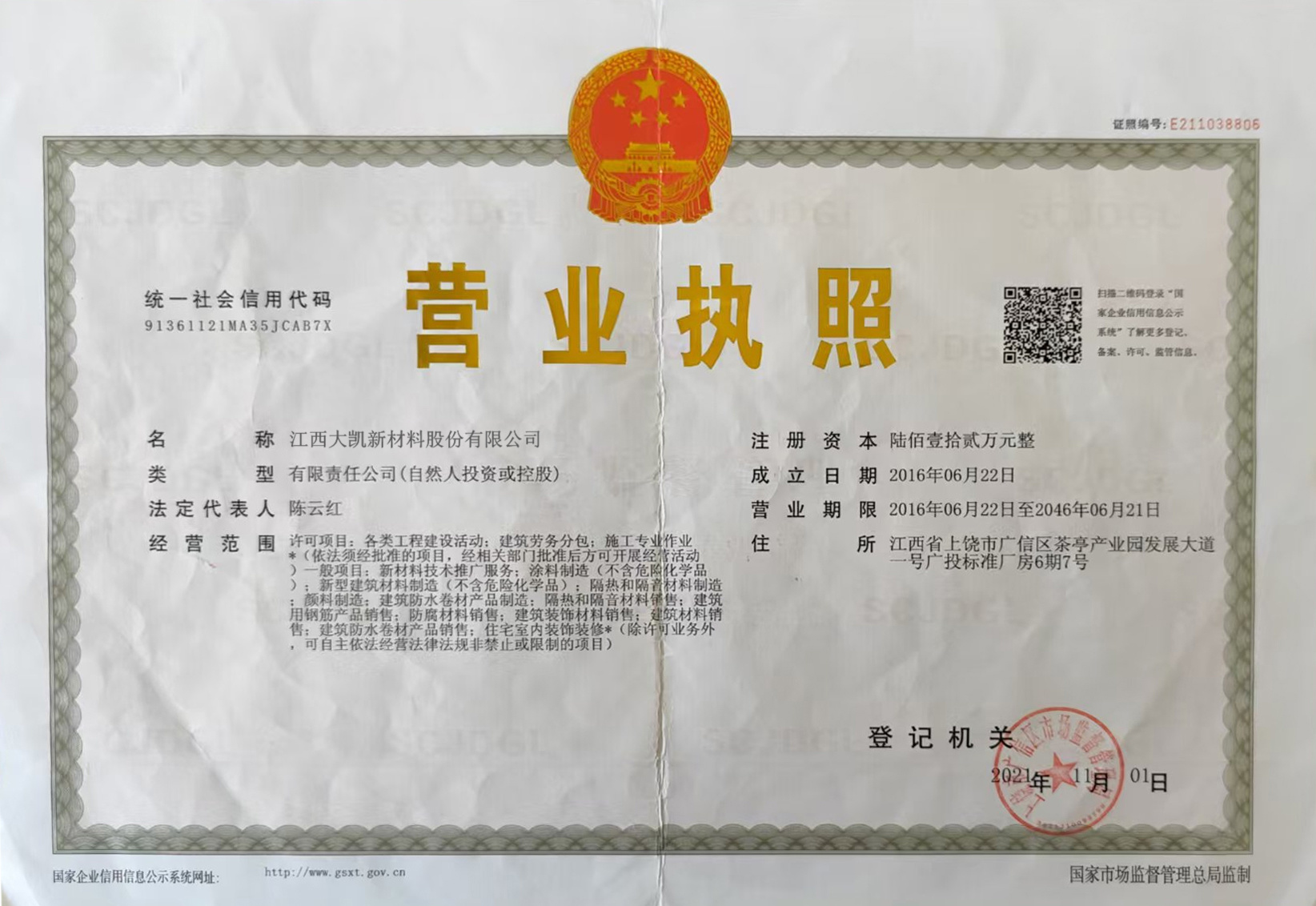
At Jiangxi Dakai New Materials Co., Ltd. , we manufacture high-performance silane and siloxane waterproofing products engineered to overcome these field challenges. Our technical team provides application guidance to ensure your success.
Contact us today to learn how our solutions can help you avoid the most common concrete waterproofing pitfalls.
Related News

Understanding Silicone Hydrophobic Powder: Properties, Applications, and Benefits
--- Silicone hydrophobic powder is a specialized material designed to impart water-repellent properties to various surfaces and formulations. This hydrophobic nature arises from the unique molecular structure of silicone, which effectively reduces the surface energy of materials, minimizing wetting and enhancing moisture resistance. Due to its lightweight and non-toxic characteristics, silicone hy
2026-05-15
View Details
Unlocking the Potential of High Hydrogen Silicone Oil in Chemical Applications
High hydrogen silicone oil is an innovative and versatile compound widely utilized in various chemical applications. Its unique properties make it an invaluable resource in many sectors, particularly in the formulation of specialized products. This silicone derivative is known for its high hydrogen content, which contributes to its exceptional reactivity and versatility. One of the most significa
2026-05-15
View Details
Enhancing Durability: The Role of Gypsum Waterproofing Additives in Construction
In the construction sector, ensuring the longevity and durability of building materials is paramount. Gypsum waterproofing additives are specialized compounds designed to improve the water resistance of gypsum-based products. These additives play a crucial role in various applications, from drywall to plaster, making them an essential consideration for any construction project. Gypsum itself is a
2026-05-14
View Details
Understanding Potassium Methyl Silicate: Applications and Benefits in Chemical Industries
Potassium methyl silicate is an inorganic compound that has gained significant attention in the chemical sector due to its unique characteristics and versatility. As a silicate, it is primarily composed of potassium, silicon, and methyl groups, which contribute to its distinct properties. This compound is known for its excellent adhesion, weather resistance, and ability to enhance the durability o
2026-05-14
View Details
Jiangxi Dakai New Materials Co.,Ltd
Telephone:+008619307906792
E-mail:admin@taikay.cn
Address: No. 268, Mingwang Road, High-tech Development Zone, Xinyu City
Website:www.jxtaikay.com/


copyright ©Jiangxi Dakai New Materials Co.,Ltd.