
News Center
News
Understanding Viscosity in Silicone Oils: A Complete Guide to Selection and Application
2026-05-08
Viscosity is arguably the most important property of silicone oil. It determines how the fluid flows, how it lubricates, how it dampens motion, and even how it feels on the skin. But what does "viscosity" actually mean? And why do silicone oils range from water-thin (5 cSt) to semi-solid (over 2,000,000 cSt)?
This guide explains everything you need to know about silicone oil viscosity—how it is measured, how different grades behave, and how to pick the right viscosity for your application.
What Is Viscosity?
Viscosity is a measure of a fluid's resistance to flow. A low-viscosity fluid (like water) flows easily; a high-viscosity fluid (like honey or molasses) flows slowly.
For silicone oils, viscosity is typically expressed in centistokes (cSt) at 25°C. The higher the cSt number, the thicker the fluid.
| Viscosity | Analogy | Behavior |
|---|---|---|
| 5–10 cSt | Water or light alcohol | Extremely fluid, pours instantly |
| 50–100 cSt | Light machine oil | Flows easily, leaves thin film |
| 350–500 cSt | Heavy mineral oil | Noticeable resistance, slower flow |
| 1,000 cSt | Thick honey (warm) | Very slow flow, pours as a thick stream |
| 10,000 cSt | Molasses | Extremely slow, almost like a gel |
| 100,000+ cSt | Soft cheese or putty | Semi-solid, does not pour |
How Is Silicone Oil Viscosity Measured?
The most common method is using a viscometer (either capillary or rotational). Standards include ASTM D445 and ISO 3104. The measurement is performed at a controlled temperature (typically 25°C, sometimes 40°C) because viscosity changes dramatically with temperature.
Key fact for silicone oils: They have an exceptionally low viscosity-temperature coefficient. This means their viscosity changes far less with temperature than organic oils like mineral oil or vegetable oil. A silicone oil that flows nicely at -40°C remains usable at 200°C, whereas a mineral oil would become tar-like in the cold or thin excessively in the heat.
Why Silicone Oils Cover Such a Wide Viscosity Range
Silicone oils are polymers made from repeating siloxane units. By controlling the chain length (degree of polymerization), manufacturers can achieve viscosities from 0.65 cSt (very short chains) to over 2 million cSt (extremely long chains that entangle and resist flow).
| Chain Length (approx. repeat units) | Viscosity (cSt) | Physical State |
|---|---|---|
| <10 | 0.65–5 | Very thin liquid |
| 10–100 | 5–500 | Flowing liquid |
| 100–1,000 | 500–100,000 | Thick liquid to viscous fluid |
| >1,000 | 100,000–2.5M | Semi-solid gum |
Viscosity Grades and Their Typical Applications
Choosing the right viscosity is critical. Here’s a guide to common viscosity grades and where they excel.
Low Viscosity (5–100 cSt)
| Viscosity | Best For |
|---|---|
| 5–10 cSt | Precision instruments, watch lubrication, spin finishes for fine fibers |
| 10–20 cSt | Textile lubricants, anti-foam concentrates, plastic surface treatment |
| 20–50 cSt | Industrial release agents, paint additives, cosmetic sprays |
| 50–100 cSt | General-purpose release, fiber lubricants, coning oils |
Medium Viscosity (100–1,000 cSt)
| Viscosity | Best For |
|---|---|
| 100–350 cSt | Heat transfer fluids, laboratory baths, dielectric coolants |
| 350–500 cSt | Plastic lubrication, damping in small mechanisms, skin care products |
| 500–1,000 cSt | Hydraulic fluids, vibration dampers, rubber mold release |
High Viscosity (1,000–100,000 cSt)
| Viscosity | Best For |
|---|---|
| 1,000–5,000 cSt | Damping greases, shock absorber fluids, heavy-duty lubricants |
| 5,000–30,000 cSt | Silicone greases (when mixed with thickener), plastic additives |
| 30,000–100,000 cSt | Very high damping, textile softeners (high efficiency), base for release coatings |
Ultra-High Viscosity (100,000+ cSt)
| Viscosity | Best For |
|---|---|
| 100,000–500,000 cSt | Non-drip release agents, silicone rubber additives, extreme damping |
| 500,000–2M+ cSt | Masterbatch additives for plastics (to improve lubricity), specialty compounds |
How to Select the Right Viscosity for Your Application
Ask yourself these questions:
1. Do you need the fluid to flow easily into small gaps or complex shapes?
Yes → Choose low viscosity (5–100 cSt). It will penetrate quickly.
No → You can consider higher viscosity.
2. Is the application purely about lubrication?
Light, fast-moving parts (needles, timers) → 5–50 cSt
Heavier loads or slower speeds → 100–1,000 cSt
3. Do you need damping (resistance to motion)?
Low damping → 500–5,000 cSt
Medium damping → 10,000–100,000 cSt
High damping (almost solid) → >100,000 cSt
4. Does the silicone oil stay in an open container or bath?
Yes (e.g., heat bath) → Lower viscosity flows better and transfers heat more efficiently.
No (sealed system) → Viscosity can be higher.
5. Is the fluid being used as a release agent on vertical surfaces?
Choose medium to high viscosity (500+ cSt) to prevent dripping.
6. For cosmetic formulations:
Light, non-greasy feel on skin → 5–100 cSt
Rich, emollient feel → 350–1,000 cSt
Silicone gum-like feel → >10,000 cSt (often used in hair serums)
Viscosity and Temperature: The Silicone Advantage
Organic oils suffer from poor viscosity stability. A mineral oil that is perfect at 20°C may become too thin at 100°C (causing leakages) or too thick at -20°C (causing startup problems). Silicone oils have a high viscosity index (VI) , typically >300, meaning their viscosity changes only modestly with temperature.
Example: A 350 cSt silicone oil at 25°C might be ~150 cSt at 100°C and ~800 cSt at -20°C. A comparable mineral oil would become nearly solid at -20°C and thinner than water at 100°C. This thermal stability makes silicone oil irreplaceable for aerospace, automotive, and outdoor equipment.
Does Viscosity Affect Other Properties?
Yes, but in predictable ways:
| Property | Relationship to Viscosity |
|---|---|
| Volatility | Lower viscosity oils contain more short chains, so they evaporate faster at high temperatures. High-viscosity oils are much less volatile. |
| Lubricity | Moderate viscosity (100–1,000 cSt) often gives the best lubricity for metal-on-metal contact. Extremely low or high viscosity may be less effective. |
| Damping | Directly proportional—higher viscosity = higher damping force. |
| Surface tension | Minimal change with viscosity (all are ~20 mN/m). |
| Dielectric strength | Slightly higher for high-viscosity oils, but all are excellent insulators. |
| Shear stability | Silicone oils are essentially non-shear-thinning (Newtonian) across a very wide range. Unlike some polymer-thickened oils, their viscosity remains constant under different shear rates. |
Common Mistakes When Selecting Viscosity
Choosing too low viscosity → May drip off vertical surfaces, evaporate faster, fail to provide adequate damping, or run out of bearings.
Choosing too high viscosity → May not penetrate small gaps, cause excessive drag, make handling difficult, or require heating to apply.
Ignoring the application temperature → Always consider the actual operating temperature. For cold environments, a slightly lower viscosity than usual is acceptable; for hot environments, a slightly higher viscosity may be better.
Assuming all silicones are the same → A 350 cSt methyl silicone is very different from a 350 cSt phenyl silicone or fluoro-silicone in terms of thermal stability and chemical resistance.
Practical Viscosity Selection Table – At a Glance
| Application Type | Recommended Viscosity (cSt) |
|---|---|
| Watch/clock lubrication | 5–50 |
| Sewing machine oil (high speed) | 10–30 |
| Plastic mold release (vertical surface) | 500–5,000 |
| Heat transfer bath (open system) | 50–350 |
| Transformer oil | 50–100 |
| Damping fluid for small meter | 1,000–10,000 |
| Shock absorber fluid | 10,000–60,000 |
| Textile spin finish | 10–100 |
| Fabric softener (amino silicone) | 1,000–10,000 |
| Silicone grease base | 30,000–100,000 |
| Masterbatch for plastic lubricity | 500,000–2,000,000 |
Conclusion: Viscosity Is Your Primary Selection Tool
When specifying silicone oil for any application, viscosity is almost always the first parameter to define. Understanding what viscosity means, how it is measured, and how it affects performance will save you from trial and error. Whether you need a low-viscosity penetrating lubricant or a high-viscosity damping fluid, the right grade exists.
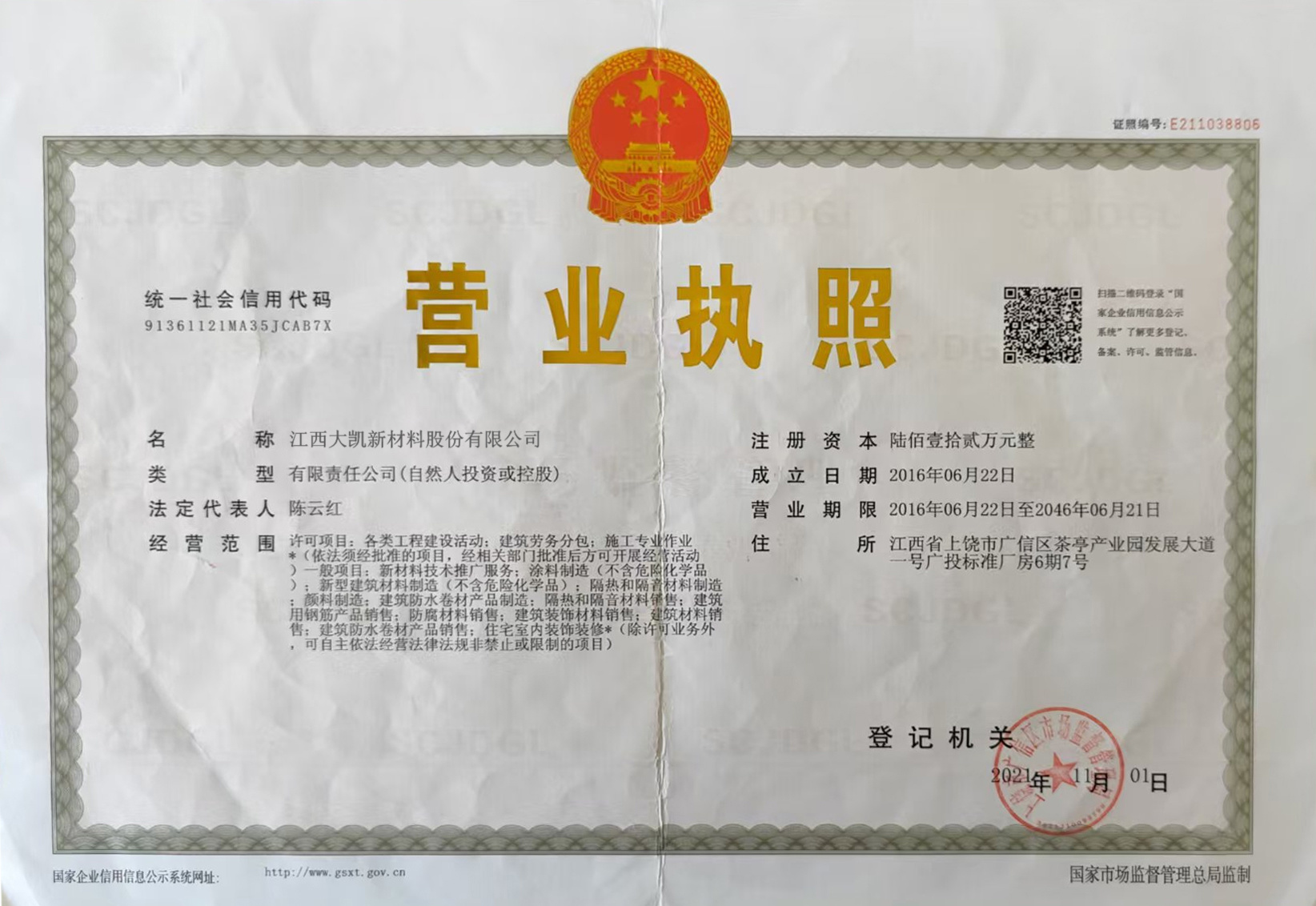
At Jiangxi Dakai New Materials Co., Ltd. , we produce a complete range of methyl silicone oils from 5 cSt to 2 million cSt, as well as modified silicones (amino, hydrogen, phenyl) for specialized needs. Every batch is tested for accurate viscosity and purity, ensuring consistent performance.
Need help selecting the right viscosity for your project? Contact our technical team for a recommendation.
Related News

Understanding Silicone Hydrophobic Powder: Properties, Applications, and Benefits
--- Silicone hydrophobic powder is a specialized material designed to impart water-repellent properties to various surfaces and formulations. This hydrophobic nature arises from the unique molecular structure of silicone, which effectively reduces the surface energy of materials, minimizing wetting and enhancing moisture resistance. Due to its lightweight and non-toxic characteristics, silicone hy
2026-05-15
View Details
Unlocking the Potential of High Hydrogen Silicone Oil in Chemical Applications
High hydrogen silicone oil is an innovative and versatile compound widely utilized in various chemical applications. Its unique properties make it an invaluable resource in many sectors, particularly in the formulation of specialized products. This silicone derivative is known for its high hydrogen content, which contributes to its exceptional reactivity and versatility. One of the most significa
2026-05-15
View Details
Enhancing Durability: The Role of Gypsum Waterproofing Additives in Construction
In the construction sector, ensuring the longevity and durability of building materials is paramount. Gypsum waterproofing additives are specialized compounds designed to improve the water resistance of gypsum-based products. These additives play a crucial role in various applications, from drywall to plaster, making them an essential consideration for any construction project. Gypsum itself is a
2026-05-14
View Details
Understanding Potassium Methyl Silicate: Applications and Benefits in Chemical Industries
Potassium methyl silicate is an inorganic compound that has gained significant attention in the chemical sector due to its unique characteristics and versatility. As a silicate, it is primarily composed of potassium, silicon, and methyl groups, which contribute to its distinct properties. This compound is known for its excellent adhesion, weather resistance, and ability to enhance the durability o
2026-05-14
View Details
Jiangxi Dakai New Materials Co.,Ltd
Telephone:+008619307906792
E-mail:admin@taikay.cn
Address: No. 268, Mingwang Road, High-tech Development Zone, Xinyu City
Website:www.jxtaikay.com/


copyright ©Jiangxi Dakai New Materials Co.,Ltd.