
News Center
News
Silicone Oil: Properties, Applications, and Selection Guide for Industrial Use
2026-03-19
Silicone oil, scientifically known as polydimethylsiloxane (PDMS), is one of the most versatile synthetic fluids in modern industry. From high-temperature lubrication and dielectric cooling to cosmetic formulations and textile finishing, silicone oil plays an indispensable role across diverse sectors. Its unique molecular structure—a flexible siloxane backbone (Si-O-Si) with methyl side groups—confers a remarkable combination of properties that organic fluids cannot match.
This comprehensive guide explores the fundamental characteristics of silicone oil, its major applications, and key considerations for selecting the right grade for your needs.
What Is Silicone Oil?
Silicone oil is a clear, colorless, odorless, and non-toxic liquid polymer. It belongs to the family of organosilicon compounds, where silicon atoms are linked via oxygen atoms to form a chain, with organic groups (typically methyl) attached to each silicon. This structure gives silicone oil its exceptional stability and performance across a wide temperature range.
Key Properties of Silicone Oil
| Property | Typical Value / Description | Benefit |
|---|---|---|
| Thermal Stability | Usable from -50°C to +200°C (up to 250°C short-term) | Reliable performance in extreme temperatures |
| Viscosity Range | From 0.65 cSt to over 2,000,000 cSt | Can be tailored from water-thin to semi-solid |
| Low Surface Tension | ~20 mN/m | Excellent wetting, spreading, and release properties |
| Hydrophobicity | Water contact angle >100° | Water repellency, moisture barrier |
| Chemical Inertness | Resists oxidation, UV, acids, bases (except strong) | Long service life, minimal degradation |
| Dielectric Strength | High electrical resistivity | Safe for electronic and electrical applications |
| Compressibility | High compared to organic oils | Ideal for liquid springs, shock absorbers |
| Low Volatility | Minimal evaporation even at high temperatures | Reduces fluid loss, safer operation |
| Shear Stability | Viscosity remains stable under mechanical stress | Consistent performance in dynamic systems |
Types of Silicone Oil
While "silicone oil" commonly refers to PDMS, several modified versions exist for specialized applications:
| Type | Modification | Key Features | Typical Applications |
|---|---|---|---|
| Methyl Silicone Oil | Standard PDMS | General purpose, wide viscosity range | Lubricants, release agents, heat transfer, cosmetics |
| Phenyl Silicone Oil | Phenyl groups replace some methyl | Enhanced thermal and radiation resistance | High-temp lubrication, vacuum pumps, optics |
| Hydrogen Silicone Oil | Contains Si-H bonds | Reactive, crosslinkable | Waterproofing agents, textile treatment, silicone rubber modifier |
| Alkyl Silicone Oil | Long alkyl chains | Improved lubricity, compatibility with organics | Metalworking, personal care, plastics processing |
| Fluoro Silicone Oil | Fluorinated groups | Solvent resistance, low surface energy | Aerospace, chemical-resistant lubricants |
| Amino Silicone Oil | Amino-functional | Reactive with fibers, provides softness | Textile softeners, hair care products |
Major Applications of Silicone Oil
1. Industrial Lubrication
Silicone oils excel where conventional lubricants fail—high temperatures, low temperatures, or where chemical resistance is critical. Applications include:
Oven conveyor chains and bearings
Plastic and rubber mold release
Textile machinery (tenter frames, knitting machines)
Precision instruments and timing mechanisms
Vacuum pump oils (low vapor pressure grades)
2. Heat Transfer Fluids
Due to excellent thermal stability and low volatility, silicone oils serve as heat transfer media in:
Laboratory circulators and thermal baths
Pharmaceutical and chemical reactors
Solar thermal systems
Electronic thermal management (immersion cooling)
3. Electrical and Electronic Applications
Silicone oils are ideal dielectrics for:
Transformer oils (high fire point, stable properties)
Capacitor impregnation
High-voltage cable filling
Cooling of power electronics
4. Release Agents and Mold Release
The low surface tension and non-stick nature of silicone oil make it perfect for:
Release of rubber, plastic, and metal parts from molds
Anti-stick coatings for packaging and food processing
Paper release coatings (labels, tapes)
5. Textile and Fiber Processing
In textile manufacturing, silicone oil is used as:
Spin finish for synthetic fibers (reduces friction, static)
Yarn lubricant for knitting and weaving
Softener and hand modifier for fabrics
Water repellent treatment (with reactive silicones)
6. Cosmetics and Personal Care
Silicone oil is a staple in:
Skin creams and lotions (smooth feel, non-greasy)
Hair conditioners and serums (shine, detangling)
Sunscreens (water resistance, spreadability)
Deodorants and antiperspirants (dry feel)
7. Defoamers and Antifoams
Silicone-based defoamers are used in:
Paints and coatings
Wastewater treatment
Food processing
Pulp and paper manufacturing
Chemical production
8. Polishes and Protective Coatings
Silicone oils provide gloss and protection for:
Automotive polishes and waxes
Furniture and leather care products
Metal and plastic surface treatments
9. Medical and Pharmaceutical Applications
Due to biocompatibility, silicone oil is used in:
Syringe lubricants (needle coating)
Medical device components
Wound care products
Antifoams for pharmaceutical processing
10. Specialty Applications
Liquid springs and shock absorbers: High compressibility provides smooth damping.
Magnetic fluids: When mixed with magnetic particles for seals and sensors.
Optical fluids: Refractive index matching for fiber optics and lenses.
Damping fluids: For meters, gauges, and precision equipment.
How to Select the Right Silicone Oil
Choosing the correct silicone oil involves several considerations:
| Factor | Consideration |
|---|---|
| Viscosity | Lower viscosity (e.g., 10–100 cSt) for easy spreading, penetration; higher (1,000+ cSt) for lubrication, damping, release. |
| Temperature Range | Ensure continuous operating temperature is within oil's limits. Standard methyl silicone: -50°C to 200°C; phenyl silicone extends range. |
| Compatibility | Check interaction with other materials (plastics, elastomers, paints). Some silicones can cause stress cracking in certain plastics. |
| Additives | Some applications require modified silicones (amino, epoxy, etc.) for reactivity or enhanced properties. |
| Purity | Food-grade, medical-grade, or technical grade depending on end use. |
| Regulatory Compliance | NSF, FDA, REACH, etc., for food contact, cosmetics, or medical devices. |
| Application Method | Neat oil, emulsion, solution, or compound form. |
Safety and Handling
Silicone oil is generally considered safe and non-hazardous. However:
Avoid contact with strong oxidizing agents.
High-temperature operations may produce decomposition products (use adequate ventilation).
Spills can create slippery surfaces; clean promptly.
For food contact or medical applications, use appropriate certified grades.
Conclusion: The Fluid of Choice for Modern Industry
Silicone oil's unique combination of thermal stability, chemical inertness, low surface tension, and tunable viscosity makes it an indispensable material across virtually every industrial sector. Whether you need a high-temperature lubricant, a dielectric coolant, a release agent, or a cosmetic ingredient, silicone oil offers performance that organic fluids cannot replicate.
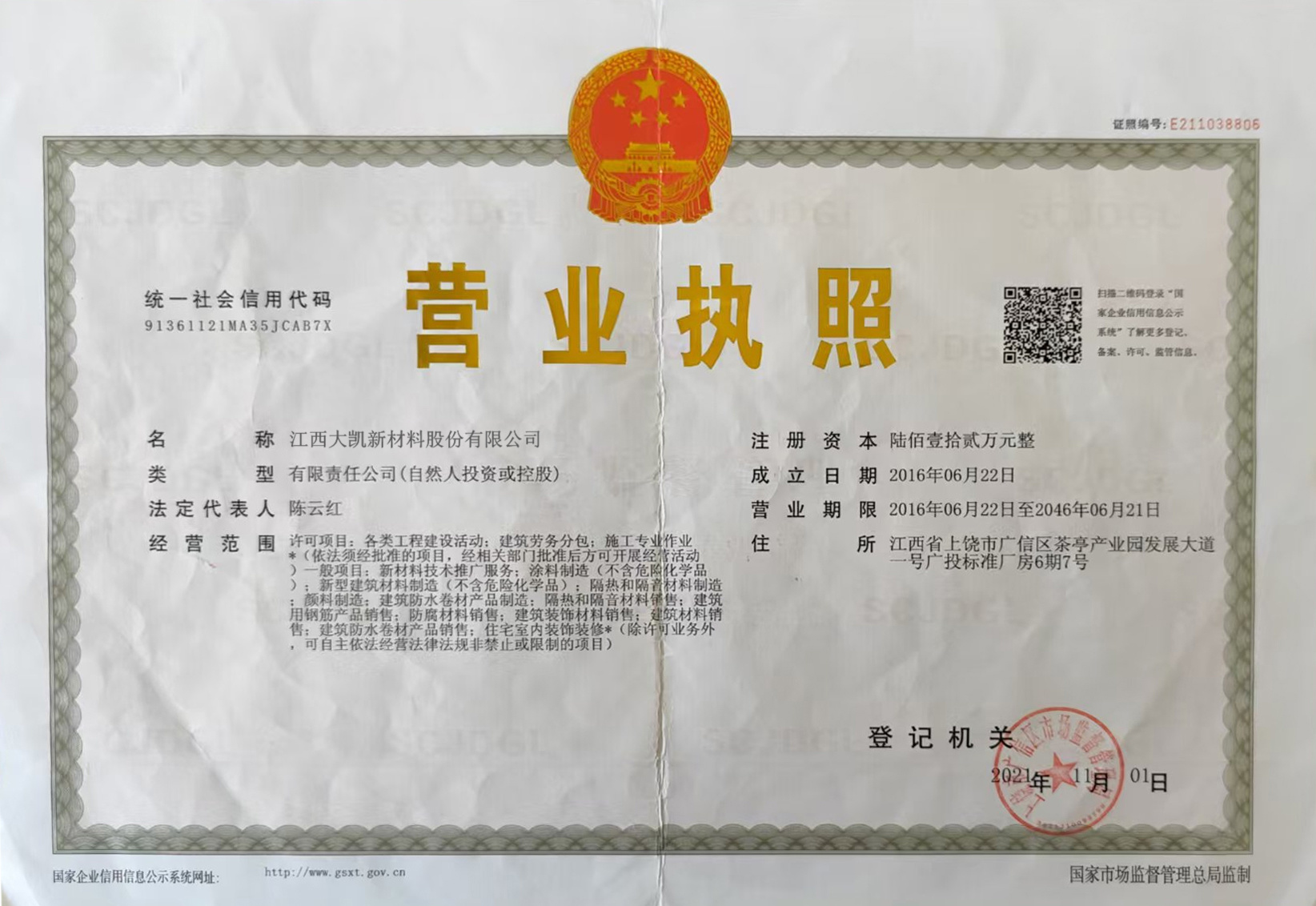
At Jiangxi Dakai New Materials Co., Ltd. , we manufacture a comprehensive range of high-purity silicone oils with viscosities from 5 cSt to 2 million cSt. Our products include methyl silicone oil, hydrogen silicone oil, amino silicone oil, and customized grades for specific applications. With strict quality control and technical expertise, we provide reliable solutions for customers worldwide.
Contact us today to discuss your silicone oil requirements or request samples.
Related News

The Advantages of Using Silane Based Waterproofing Agents: A Comprehensive Guide
The Advantages of Using Silane Based Waterproofing Agents Table of Contents 1. Introduction to Silane Based Waterproofing Agents 2. What is Silane? 3. How Silane Based Waterproofing Agents Work 4. The Benefits of Silane Based Waterproofing Agents 4.1 Enhanced Durability 4.2 Superior Water Repellency 4.3 Environmentally Friendly Options 4.4 Easy Application Pro
2026-04-02
View Details
Enhancing Material Flexibility with Silicones: From Rigid to Resilient
Discover how silicone additives transform rigid materials into flexible, durable solutions. Learn about mechanisms, applications in plastics, coatings, rubber, and textiles, and how to select the right silicone for your needs.
2026-04-02
View Details
Understanding Potassium Methyl Silicate: A Versatile Chemical Solution
Potassium methyl silicate (KMS) is an inorganic silicate compound that possesses unique properties, making it a versatile ingredient in various industrial applications. This compound is primarily used as a binder and a coating agent due to its excellent adhesion and moisture resistance. Its chemical structure allows it to function effectively in both aqueous and non-aqueous environments, which is
2026-04-01
View Details
Exploring the Benefits of Silicone Hydrophobic Powder in Chemical Applications
Exploring the Benefits of Silicone Hydrophobic Powder in Chemical Applications Table of Contents 1. Introduction to Silicone Hydrophobic Powder 2. Understanding the Properties of Silicone Hydrophobic Powder 3. Manufacturing Process of Silicone Hydrophobic Powder 4. Applications of Silicone Hydrophobic Powder in the Chemical Industry 5. Key Benefits of Using Silicone Hydrophobi
2026-03-31
View Details
Jiangxi Dakai New Materials Co.,Ltd
Telephone:+008619307906792
E-mail:admin@taikay.cn
Address: No. 268, Mingwang Road, High-tech Development Zone, Xinyu City
Website:www.jxtaikay.com/


copyright ©Jiangxi Dakai New Materials Co.,Ltd.