
News Center
News
Enhancing Material Flexibility with Silicones: From Rigid to Resilient
2026-04-02
Flexibility is a critical property for countless materials—from automotive interiors and consumer electronics to medical devices and architectural coatings. A material that is too rigid may crack under stress; one that is too soft may lack structural integrity. Achieving the perfect balance of flexibility, durability, and performance is a constant challenge for material scientists and formulators.
Silicone additives offer a powerful solution. With their unique molecular structure—a flexible siloxane backbone (Si-O-Si) combined with low glass transition temperature (Tg) and exceptional mobility—silicones can transform rigid materials into flexible, resilient, and durable products. This article explores how silicones enhance material flexibility, the mechanisms behind this effect, and key applications across industries.
Understanding Material Flexibility
Flexibility refers to a material's ability to deform under stress without cracking or breaking. Key factors affecting flexibility include:
1.Glass Transition Temperature (Tg): The temperature at which a polymer transitions from hard and brittle to soft and flexible. Lower Tg materials remain flexible at lower temperatures.
2.Crosslink Density: Highly crosslinked materials are rigid; lower crosslink density allows more molecular movement and flexibility.
3.Molecular Weight and Chain Entanglement: Longer polymer chains with more entanglements contribute to flexibility and toughness.
4.Plasticizers and Modifiers: Additives that reduce intermolecular forces, allowing chains to slide past each other.
Silicones address these factors through their intrinsic properties and as functional additives.
Why Silicones Are Ideal Flexibility Enhancers
Silicones possess several inherent characteristics that make them exceptional flexibility modifiers:
1. Extremely Low Glass Transition Temperature
Polydimethylsiloxane (PDMS) has a Tg of approximately -125°C. This means silicone remains flexible and rubbery even at extremely low temperatures, far below where most organic polymers become brittle.
2. High Chain Mobility
The Si-O bond has low rotational energy barriers, allowing silicone chains to move freely. This mobility imparts flexibility and conformability to silicone-modified materials.
3. Low Surface Energy
Silicones migrate to surfaces, creating a flexible, lubricious layer that reduces friction and enhances tactile properties.
4. Compatibility and Reactivity
Silicone additives can be designed with functional groups (amino, epoxy, hydroxyl, etc.) to react with host polymers, ensuring permanent modification rather than migration.
5. Thermal and UV Stability
Silicones maintain their flexibility even after prolonged exposure to heat and UV, unlike many organic plasticizers that degrade or volatilize over time.
How Silicones Enhance Flexibility: Mechanisms
Silicone additives enhance material flexibility through several mechanisms:
| Mechanism | Description | Application Example |
|---|---|---|
| Internal Plasticization | Silicone chains interpenetrate with host polymer, reducing intermolecular forces and increasing free volume | Flexible PVC, engineering plastics |
| Reactive Modification | Silicone functional groups chemically bond to host polymer, permanently improving flexibility | Polyurethane elastomers, epoxy coatings |
| Surface Migration | Silicones migrate to surface, creating a flexible, low-friction layer without affecting bulk properties | Soft-touch coatings, textile finishes |
| Crosslink Density Control | Silicone additives act as flexible crosslinkers or chain extenders, reducing overall crosslink density | Rubber compounds, silicone-modified polymers |
| Toughening | Silicone domains dispersed in rigid matrix absorb energy and prevent crack propagation | Impact-modified plastics, coatings |
Key Applications Across Industries
1. Plastics and Polymers
Silicone additives enhance flexibility in engineering plastics, thermoplastics, and thermosets:
Flexible PVC: Silicone additives replace traditional plasticizers (phthalates) that can migrate and raise environmental concerns. They provide permanent flexibility without leaching.
Polycarbonate and ABS: Silicone modifiers improve impact resistance and low-temperature flexibility for automotive and electronic components.
Polyolefins: Ultra-high molecular weight siloxane additives enhance flexibility and surface lubricity for films, sheets, and molded parts.
Thermoplastic Elastomers (TPE): Silicone additives improve processability and soft-touch feel.
2. Coatings and Paints
Flexibility is critical for coatings applied to substrates that expand, contract, or flex:
Automotive Coatings: Silicone additives provide chip resistance and flexibility for plastic bumpers and exterior trim.
Architectural Coatings: Silicone-modified paints remain flexible over masonry that expands and contracts with temperature changes, preventing cracking.
Industrial Coatings: Flexible coatings for metal, wood, and plastic that withstand thermal cycling and impact.
Soft-Touch Coatings: Silicone additives create a flexible, luxurious feel on consumer electronics, automotive interiors, and appliances.
3. Rubber and Elastomers
Silicone additives improve flexibility and processability in rubber compounds:
Natural and Synthetic Rubber: Silicone additives as processing aids reduce internal friction, improve flow, and enhance flexibility.
EPDM, SBR, and Nitrile: Silicone modifiers improve low-temperature flexibility and reduce stiffness.
Silicone Rubber Blends: Silicone additives enhance compatibility and flexibility in blended systems.
4. Textiles and Fabrics
Silicone additives impart flexibility and softness to textile materials:
Fabric Softeners: Amino silicone oils provide durable flexibility and soft hand feel to cotton, polyester, and blends.
Synthetic Fibers: Spin finishes containing silicone improve fiber flexibility and reduce friction during processing.
Coated Fabrics: Silicone coatings provide flexibility while maintaining waterproofness and durability.
5. Adhesives and Sealants
Flexibility is essential for adhesives and sealants that must accommodate joint movement:
Construction Sealants: Silicone-based sealants remain flexible over decades, accommodating building movement without cracking.
Structural Adhesives: Silicone modifiers improve flexibility and impact resistance in epoxy and polyurethane adhesives.
Pressure-Sensitive Adhesives: Silicone additives enhance flexibility and peel strength.
6. Medical Devices and Healthcare
Flexible silicone materials are biocompatible and used extensively in:
Catheters and Tubing: Silicone-modified polymers provide flexibility and kink resistance.
Wound Care: Flexible silicone dressings conform to body contours.
Prosthetics and Orthotics: Silicone materials provide comfort and flexibility.
7. Consumer Goods
Footwear: Silicone additives enhance flexibility and softness in shoe soles and uppers.
Sports Equipment: Flexible silicone components for grips, padding, and protective gear.
Toys and Baby Products: Soft, flexible silicone materials are safe and durable.
Types of Silicone Additives for Flexibility
| Additive Type | Form | Mechanism | Best For |
|---|---|---|---|
| Silicone Fluids (PDMS) | Liquid | Internal plasticization, surface migration | PVC, coatings, textiles |
| Ultra-High Molecular Weight Siloxane | Solid masterbatch | Internal plasticization, toughness | Polyolefins, engineering plastics |
| Reactive Silicones (Amino, Epoxy, Hydroxy) | Liquid or solid | Chemical bonding to host polymer | Polyurethanes, epoxies, coatings |
| Silicone Rubber Powders | Powder | Dispersed domains for toughening | Powder coatings, thermoplastics |
| Silicone Elastomers | Solid or liquid | Flexible matrix, compatibility | Rubber blends, soft-touch applications |
| Amino Silicone Oils | Liquid or emulsion | Surface modification, softness | Textiles, hair care |
Selecting the Right Silicone Additive
| Consideration | Key Points |
|---|---|
| Host Polymer | Compatibility with base material; reactive or non-reactive system |
| Desired Flexibility Level | Slight modification vs. complete transformation |
| Permanence | Permanent chemical bonding vs. migratory plasticization |
| Processing Method | Extrusion, injection molding, coating, or compounding |
| Regulatory Requirements | Food contact, medical, or automotive specifications |
| Cost Target | Balance performance improvement with added cost |
Benefits of Silicone-Enhanced Flexibility
1.Permanent Modification: Unlike organic plasticizers, silicone additives do not migrate, evaporate, or leach out over time.
2.Wide Temperature Range: Flexibility maintained from -50°C to +200°C.
3.No Surface Blooming: Properly formulated silicone additives remain integrated without surface exudation.
4.Enhanced Durability: Flexible materials resist cracking, fatigue, and impact damage.
5.Improved Aesthetics: Soft-touch feel, smooth surface, and enhanced appearance.
6.Processability: Silicone additives often improve flow and reduce energy consumption during processing.
Conclusion: Silicones – The Key to Flexible, Durable Materials
In an era where materials must perform across a wide range of conditions and applications, flexibility is no longer a luxury—it's a necessity. Silicone additives offer a proven, versatile, and durable solution for enhancing flexibility in plastics, coatings, rubber, textiles, and beyond. By leveraging the unique molecular properties of silicones—low Tg, high chain mobility, chemical stability, and compatibility—manufacturers can create materials that are not only flexible but also long-lasting and high-performing.
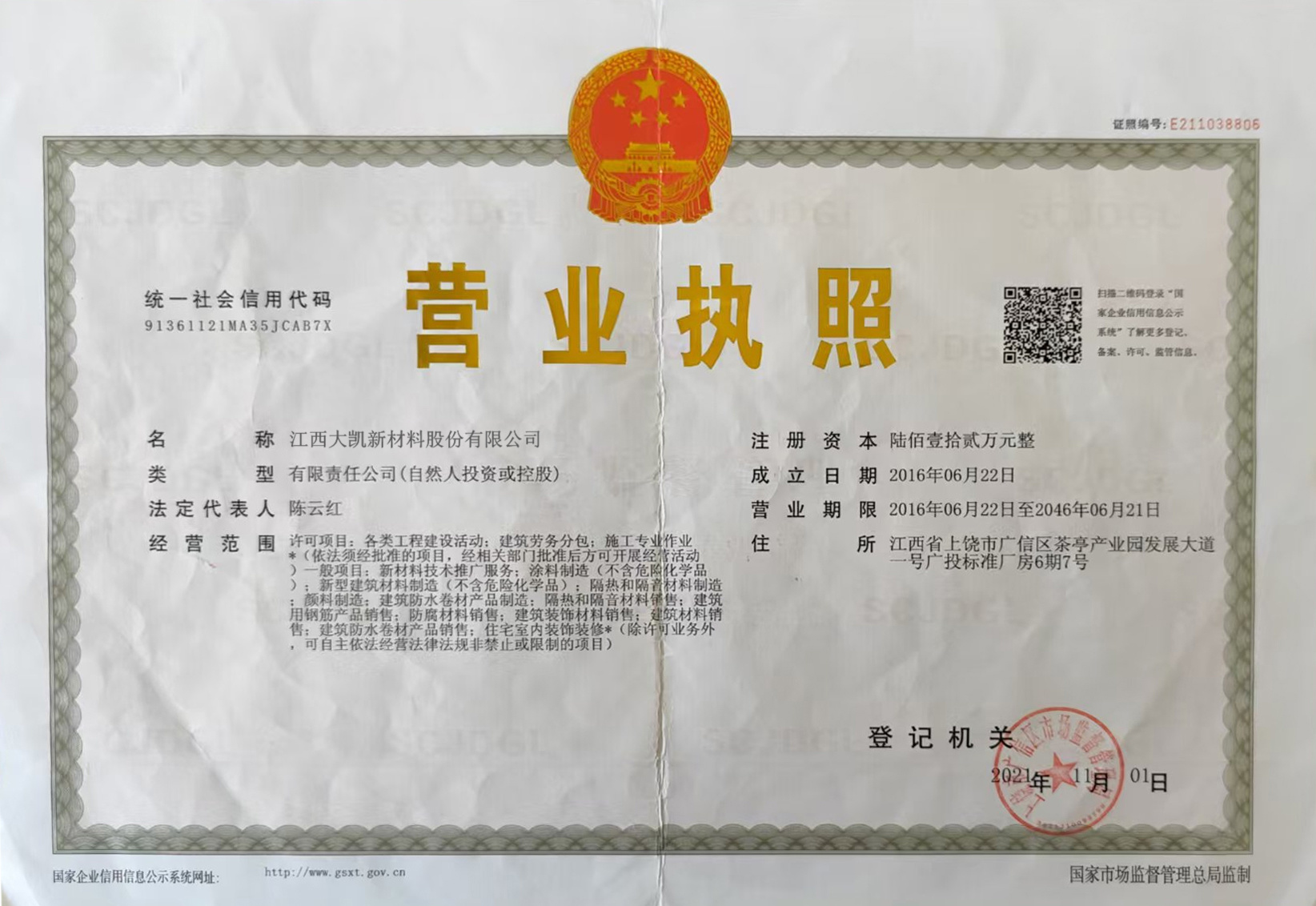
At Jiangxi Dakai New Materials Co., Ltd. , we manufacture a comprehensive range of silicone additives for flexibility enhancement, including silicone fluids, reactive silicones, high-molecular-weight siloxanes, and amino silicone oils. Our products are engineered for consistent performance, backed by technical expertise to help you achieve the perfect balance of flexibility and durability.
Contact us today to discuss how our silicone additives can transform your materials.
Related News

The Advantages of Using Silane Based Waterproofing Agents: A Comprehensive Guide
The Advantages of Using Silane Based Waterproofing Agents Table of Contents 1. Introduction to Silane Based Waterproofing Agents 2. What is Silane? 3. How Silane Based Waterproofing Agents Work 4. The Benefits of Silane Based Waterproofing Agents 4.1 Enhanced Durability 4.2 Superior Water Repellency 4.3 Environmentally Friendly Options 4.4 Easy Application Pro
2026-04-02
View Details
Enhancing Material Flexibility with Silicones: From Rigid to Resilient
Discover how silicone additives transform rigid materials into flexible, durable solutions. Learn about mechanisms, applications in plastics, coatings, rubber, and textiles, and how to select the right silicone for your needs.
2026-04-02
View Details
Understanding Potassium Methyl Silicate: A Versatile Chemical Solution
Potassium methyl silicate (KMS) is an inorganic silicate compound that possesses unique properties, making it a versatile ingredient in various industrial applications. This compound is primarily used as a binder and a coating agent due to its excellent adhesion and moisture resistance. Its chemical structure allows it to function effectively in both aqueous and non-aqueous environments, which is
2026-04-01
View Details
Exploring the Benefits of Silicone Hydrophobic Powder in Chemical Applications
Exploring the Benefits of Silicone Hydrophobic Powder in Chemical Applications Table of Contents 1. Introduction to Silicone Hydrophobic Powder 2. Understanding the Properties of Silicone Hydrophobic Powder 3. Manufacturing Process of Silicone Hydrophobic Powder 4. Applications of Silicone Hydrophobic Powder in the Chemical Industry 5. Key Benefits of Using Silicone Hydrophobi
2026-03-31
View Details
Jiangxi Dakai New Materials Co.,Ltd
Telephone:+008619307906792
E-mail:admin@taikay.cn
Address: No. 268, Mingwang Road, High-tech Development Zone, Xinyu City
Website:www.jxtaikay.com/


copyright ©Jiangxi Dakai New Materials Co.,Ltd.