
News Center
News
Corrosion Protection with Silane Technology: Advanced Solutions for Concrete and Metal
2026-04-15
Corrosion is one of the most costly and destructive forces affecting infrastructure worldwide. From bridge decks and parking garages to marine structures and industrial facilities, the degradation of concrete and reinforcing steel leads to billions of dollars in repairs, reduced service life, and safety risks.
Traditional corrosion protection methods—epoxy coatings, cathodic protection, and surface sealers—have served their purpose, but each comes with limitations. Epoxy-coated rebar can be damaged during handling; cathodic protection requires ongoing maintenance; surface coatings can peel, blister, and trap moisture.
Silane technology offers a fundamentally different approach. By penetrating deep into concrete and forming a hydrophobic barrier that repels water and chlorides while allowing the material to breathe, silane-based treatments provide long-lasting, low-maintenance corrosion protection. This article explores the science behind silane technology, its key advantages, and critical applications.
Understanding Corrosion in Reinforced Concrete
Corrosion of steel reinforcement in concrete is an electrochemical process driven by moisture, oxygen, and chlorides (salt). When chlorides penetrate the concrete and reach the rebar, they break down the passive oxide layer that normally protects steel. Moisture and oxygen then react with the exposed steel, forming rust that occupies up to six times the volume of the original steel. This expansion creates internal pressure, causing concrete to crack, spall, and ultimately fail.
The most effective way to prevent this chain reaction is to stop chlorides and water from reaching the rebar.
What Is Silane Technology?
Silane technology utilizes organosilicon compounds (specifically alkylalkoxysilanes) as penetrating sealers for concrete and masonry. Unlike film-forming coatings that sit on the surface, silanes are low-viscosity liquids that:
1.Penetrate deeply into the capillary pores of concrete (typically 3–10 mm, depending on porosity)
2.Chemically react with the substrate or with moisture to form a hydrophobic lining on pore walls
3.Remain breathable — water vapor can escape, preventing freeze-thaw damage and coating delamination
The result is a "repllent" barrier that dramatically reduces water and chloride ingress without altering the appearance or vapor permeability of the concrete.
How Silane Prevents Corrosion: Key Mechanisms
| Mechanism | Description | Anti-Corrosion Benefit |
|---|---|---|
| Hydrophobicity | Silane creates a low-surface-energy lining, causing water to bead up and roll off | Reduces water absorption by 90%+ |
| Chloride Blocking | The hydrophobic barrier prevents salt-laden water from wicking into pores | Chloride ingress reduced by 80–95% |
| Breathability | Pores remain open; water vapor can escape | Prevents moisture buildup behind coatings |
| Deep Penetration | Active ingredient goes below the surface, not just on top | Protection unaffected by surface wear |
| Alkali Stability | Silane bonds withstand the high pH of concrete | Long-term durability (15–25 years) |
Key Advantages of Silane-Based Corrosion Protection
1. Superior Chloride Resistance
Independent testing shows that silane-treated concrete reduces chloride penetration by 80–95% compared to untreated concrete. This is the single most important factor for preventing rebar corrosion in salt-exposed environments (bridges, parking decks, coastal structures).
2. Deep, Wear-Resistant Protection
Because silane penetrates into the concrete, the hydrophobic zone exists below the surface. Abrasion from traffic, deicing salts, or weather does not remove the protection. Surface coatings, by contrast, wear away over time.
3. Breathability Prevents Secondary Damage
Many corrosion protection methods (epoxy coatings, acrylic sealers) create a continuous film that traps moisture inside the concrete. This leads to freeze-thaw damage, efflorescence, and coating failure. Silane allows water vapor to escape, maintaining a healthy moisture balance.
4. Invisible Protection, No Change in Appearance
Silane treatments are typically invisible. They do not change the color, texture, or slip resistance of the concrete surface—critical for architectural and safety requirements.
5. Long Service Life
Properly applied silane sealers provide 10–25 years of corrosion protection, far exceeding the 3–7 year lifespan of most acrylic or epoxy coatings. This reduces lifecycle costs and minimizes traffic disruption for reapplication.
6. Easy Application and Low Maintenance
Silane can be applied by spray, roller, or brush with minimal surface preparation (clean, dry surface). No primer or topcoat is required. Reapplication is simple and does not require removal of old material.
Comparison: Silane vs. Other Corrosion Protection Methods
| Method | Mechanism | Durability | Breathability | Appearance Change | Lifecycle Cost |
|---|---|---|---|---|---|
| Silane Penetrating Sealer | Hydrophobic pore lining | 15–25 years | Excellent | None | Low |
| Acrylic Coating | Surface film | 3–7 years | Poor | Gloss/color change | Medium–High |
| Epoxy Coating (on rebar) | Barrier coating | Good (if undamaged) | N/A | N/A | High |
| Cathodic Protection | Electrochemical | Ongoing maintenance | N/A | N/A | Very High |
| Waterproof Membrane | Physical barrier | 10–20 years | None | Surface change | High |
| Calcium Nitrite (admixture) | Chemical inhibitor | Life of concrete | N/A | None | Medium |
Critical Applications for Silane Corrosion Protection
1. Bridge Decks and Highways
Bridges exposed to deicing salts are prime candidates for silane treatment. DOTs (Departments of Transportation) worldwide specify silane sealers for new and existing bridge decks, substructures, and barriers.
2. Parking Structures
Parking garages suffer from constant exposure to deicing salts (carried in from roads), chlorides, and moisture. Silane treatments protect concrete and rebar, extending service life and reducing costly repairs.
3. Marine Structures
Piers, docks, seawalls, and offshore platforms face aggressive chloride attack from seawater. Silane provides long-term protection without the need for frequent reapplication, even in tidal zones.
4. Industrial Facilities
Chemical plants, wastewater treatment facilities, and food processing plants benefit from silane's ability to repel aggressive liquids while allowing concrete to breathe.
5. Coastal Buildings
High-rise buildings near the ocean experience salt spray and wind-driven moisture. Silane-treated facades and balconies resist corrosion of embedded steel.
6. Historic Concrete and Masonry
For heritage structures, silane offers invisible, breathable protection that does not alter appearance—critical for conservation projects.
Application Guidelines for Maximum Corrosion Protection
| Step | Recommendation |
|---|---|
| Surface Preparation | Clean surface of dirt, oil, curing compounds, and loose material. Surface should be dry (though some silanes require slight moisture for reaction). |
| Test Area | Always perform a test application to verify coverage rate and appearance. |
| Application Method | Spraying is most efficient for large areas. Use low-pressure, fan-tip nozzles. Apply until surface is saturated (wet sheen). |
| Coverage Rate | Typically 3–10 m²/L (depending on porosity). Avoid puddling. |
| Number of Coats | One generous coat usually sufficient. Highly porous substrates may benefit from a second coat within 2–4 hours. |
| Curing Time | Allow 24–72 hours before exposure to water or traffic. Protect from rain during curing. |
| Temperature | Apply between 5°C and 40°C. Avoid application before rain or freezing temperatures. |
Selecting the Right Silane Product
| Silane Type | Typical Use | Key Feature |
|---|---|---|
| Isobutyltrimethoxysilane | General-purpose concrete protection | Good penetration, VOC compliant |
| Isooctyltrimethoxysilane | High-density concrete, vertical surfaces | Lower volatility, better adhesion |
| Alkyltriethoxysilane | Masonry, brick, low-density concrete | Deeper penetration |
| Silane-Siloxane Blends | Balanced performance | Combines penetration of silane with water beading of siloxane |
| Water-Based Silane | Low-VOC, environmentally sensitive areas | Reduced odor, easier handling |
Conclusion: Silane – The Gold Standard for Corrosion Protection
For infrastructure owners and engineers seeking a proven, durable, and cost-effective solution to corrosion, silane technology stands out as the gold standard. By penetrating deep into concrete, creating a breathable hydrophobic barrier, and blocking chlorides for decades, silane treatments protect reinforcing steel and extend the service life of structures in the harshest environments.
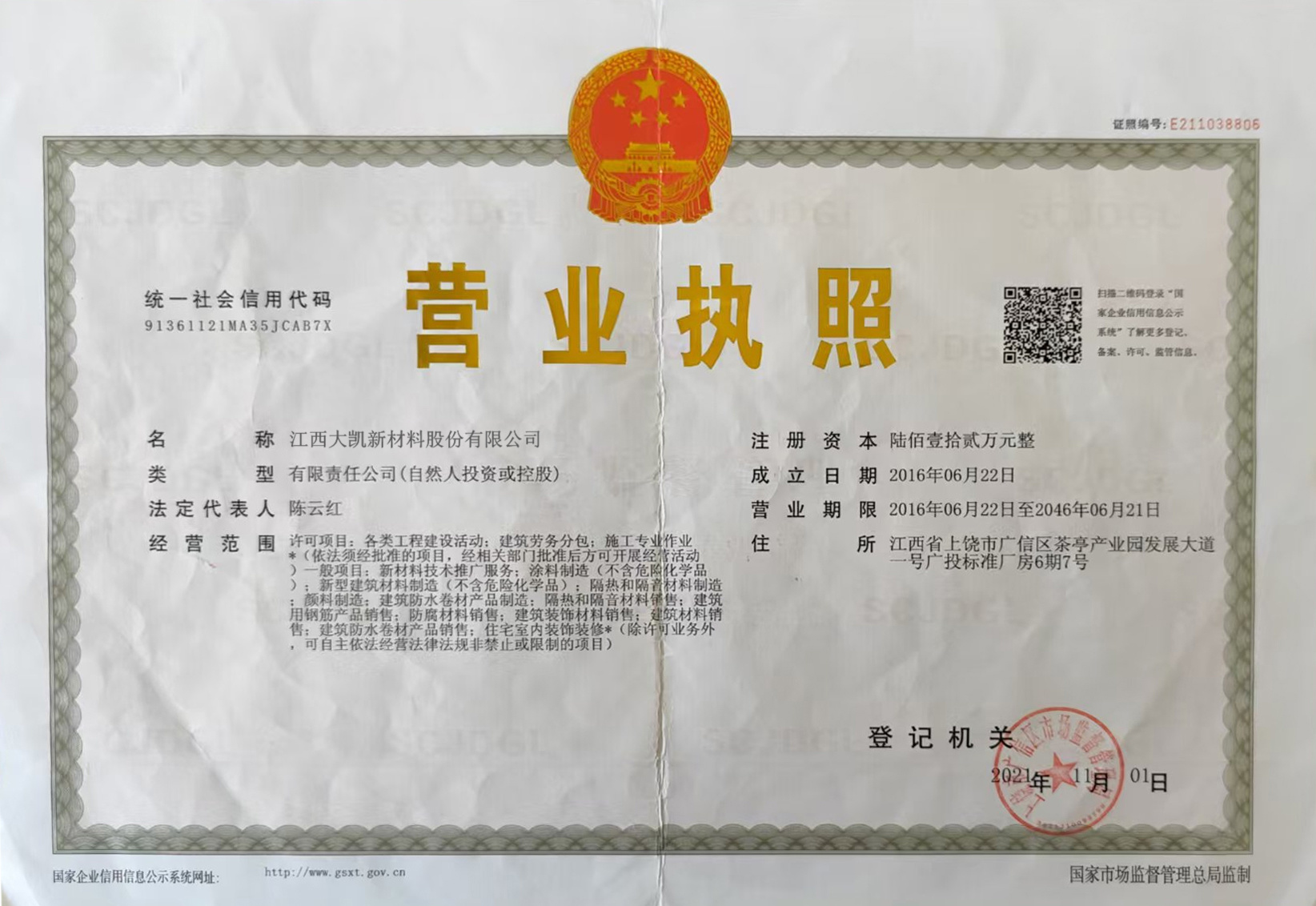
At Jiangxi Dakai New Materials Co., Ltd. , we manufacture a full range of high-performance silane and siloxane products for corrosion protection. Our silane sealers are engineered for deep penetration, consistent performance, and long-term durability. Backed by technical expertise and rigorous quality control, we help customers protect their infrastructure investments.
Contact us today to learn how silane technology can safeguard your concrete structures against corrosion.
Related News

Understanding High Hydrogen Silicone Oil: Applications and Benefits
High hydrogen silicone oil is a unique synthetic compound that falls within the broader category of silicone oils. Known for its exceptional properties, high hydrogen silicone oil exhibits a high degree of flexibility, thermal stability, and resistance to a variety of environmental factors. This makes it an increasingly popular choice in various industrial applications, particularly within the che
2026-04-15
View Details
Corrosion Protection with Silane Technology: Advanced Solutions for Concrete and Metal
Discover how silane-based technology prevents corrosion in concrete and metal structures. Learn about mechanisms of chloride blocking, hydrophobic barriers, and long-term durability for bridges, parking decks, and marine environments.
2026-04-15
View Details
Methyl Silicone Oil: The Essential Component for Unmatched Product Stability and Performance
Methyl Silicone Oil: The Essential Component for Unmatched Product Stability and Performance Table of Contents Introduction to Methyl Silicone Oil Unique Properties of Methyl Silicone Oil Applications of Methyl Silicone Oil in Various Industries Benefits of Using Methyl Silicone Oil Enhancing Product Stability and Performance Environmental Impact and Safety of Methyl S
2026-04-14
View Details
Exploring New Materials in Waterproofing Agents: Innovations and Applications
--- The field of waterproofing agents has seen considerable advancements with the introduction of new materials. As industries continue to seek more effective, durable, and environmentally friendly solutions, the role of innovative waterproofing agents becomes increasingly vital. This article explores the types of new materials used in waterproofing agents, their benefits, and their potential appl
2026-04-13
View Details
Jiangxi Dakai New Materials Co.,Ltd
Telephone:+008619307906792
E-mail:admin@taikay.cn
Address: No. 268, Mingwang Road, High-tech Development Zone, Xinyu City
Website:www.jxtaikay.com/


copyright ©Jiangxi Dakai New Materials Co.,Ltd.