
News Center
News
The role and use of dimethicone
2025-07-21
Dimethicone (also known as dimethyl silicone oil, PDMS) is a synthetic material with unique physicochemical properties. Its core functions include defoaming, lubrication, hydrophobic protection, and surface treatment. It is widely used in more than ten fields, including medical, daily chemical, and industrial manufacturing.
Core Applications in the Medical Field
Gastrointestinal Function Regulation.
Rapidly eliminates gastrointestinal gas by reducing surface tension of bubbles, relieving symptoms such as bloating and belching.
Use before gastroscopy to clear gastric mucus and improve image clarity.
Innovation in Wound Care.
When processing medical gauze and dressings, it can prevent tissue adhesion and reduce patient pain during dressing changes.
Silicone oil dressings are used in burn units to accelerate wound healing and reduce the risk of infection.
Daily Chemical and Consumer Goods Manufacturing
Breakthrough Applications in Cosmetics.
As a "liquid silk" ingredient, it gives skincare products a smooth feel (low viscosity products below 350cs).
In hair care products, it achieves the dual effects of brightening hair and anti-static.
Food-Grade Safety Assurance.
FDA-compliant defoamer used in the production of tofu and ice cream.
A key additive in beer brewing to control foam quality.
Industrial Technology Solutions
Precision Manufacturing Support.
High-viscosity products (above 10000cs) are used as hydraulic damping media for automotive clutches.
Electronic component encapsulant and protectant, operating temperature range -50℃~200℃.
Surface Treatment Revolution.
Scratch-resistant coating for glass products (100-500cs products).
3D printing release agent, improving the forming accuracy of complex components.
Innovation in the Energy Sector.
High-temperature heat transfer medium for solar thermal power generation systems (heat-resistant after adding heat-resistant agent, withstands 400℃).
Environmentally friendly insulating oil for transformers, certified to FM flame retardant standards.
Related News

Hydrophobic vs. Hydrophilic Surfaces: The Science, Differences, and Real-World Applications
Understand the key differences between hydrophobic and hydrophilic surfaces. This guide explains water contact angle, surface energy, and how these properties impact materials science, self-cleaning tech, and biomedical devices.
2025-12-30
View Details
What are the Different Types of Silicone Oils? A Complete Classification Guide
Explore the different types of silicone oils. This guide covers standard, reactive, and specialty silicone fluids like PDMS, amino, phenyl, and vinyl silicones, and their unique applications.
2025-12-25
View Details
Introduction to Silane Coupling Agents: Bridging Organic and Inorganic Worlds
What are silane coupling agents? This introduction explains how they bond organic polymers to inorganic materials like glass, metals, and minerals, enhancing composite performance.
2025-12-23
View Details
Methyl Silicate vs. Ethyl Silicate: Choosing the Right Alkyl Silicate for Your Project
Deciding between Methyl Silicate and Ethyl Silicate? This guide explains their key differences in reactivity, penetration, flexibility, and ideal applications in construction and restoration.
2025-12-18
View Details
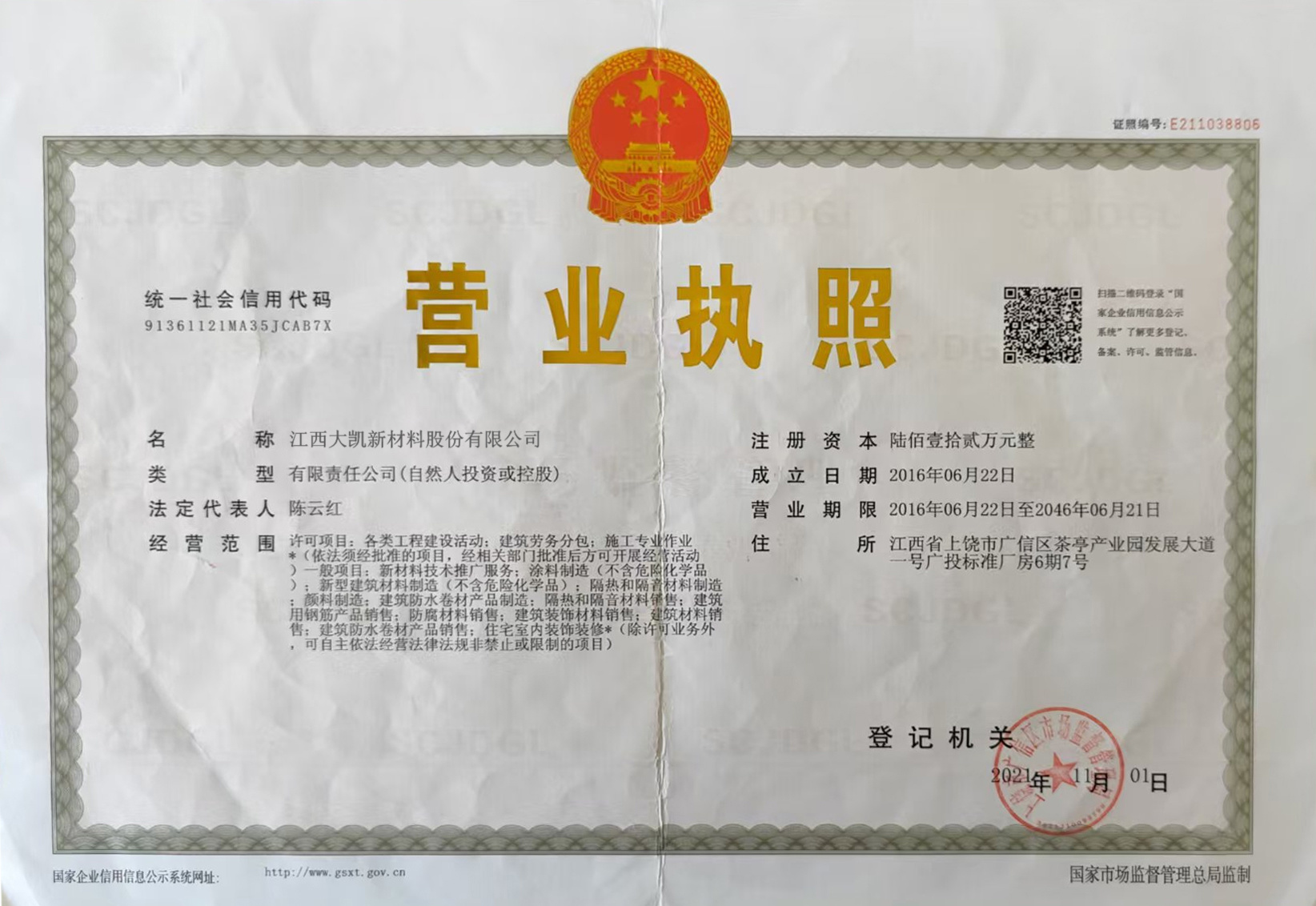
Jiangxi Dakai New Materials Co.,Ltd
Telephone:+008619307906792
E-mail:admin@taikay.cn
Address: No. 268, Mingwang Road, High-tech Development Zone, Xinyu City
Website:www.jxtaikay.com/


copyright ©Jiangxi Dakai New Materials Co.,Ltd.