
News Center
News
What are the Different Types of Silicone Oils? A Complete Classification Guide
2025-12-25
Silicone oil is not a single substance but a family of versatile organosilicon polymers. When asking “what are the different types of silicone oils?”, the answer lies in the modifications made to their core molecular structure. These modifications, primarily to the side groups attached to the silicon-oxygen backbone, unlock a vast spectrum of properties tailored for specific applications. This guide provides a complete classification, moving from the most common to the highly specialized.
The Foundation: Polydimethylsiloxane (PDMS)
The most ubiquitous type is Polydimethylsiloxane (PDMS), often simply called dimethyl silicone oil. Its molecule consists of a siloxane backbone with all side groups being inert methyl (-CH3) groups. It is prized for its excellent thermal stability, water repellency, low surface tension, and high dielectric strength. PDMS is the workhorse used in:
(1)Lubricants and release agents
(2)Polishes and anti-foaming agents
(3)Cosmetic and personal care ingredients (Dimethicone)
(4)Dielectric and heat-transfer fluids
Its viscosity can range from water-thin to thick, paste-like consistencies, offering further versatility within this category.
Reactive Silicone Oils: The Functional Types
This category includes silicone oils that have been engineered with reactive groups, allowing them to participate in chemical reactions or bond to surfaces.
1. Amino-Functional Silicone Oils
These oils have some methyl groups replaced by aminoalkyl groups (containing -NH2). The amino group is polar and can form strong hydrogen bonds or ionic interactions. This makes them exceptional:
(1)As fabric and fiber softeners, providing a superior, durable soft hand feel.
(2)As hair conditioners, offering excellent combability and shine.
(3)As adhesion promoters in certain coatings and sealants.
2. Epoxy-Functional Silicone Oils
Incorporating epoxy groups adds sites for crosslinking and improves adhesion to polar substrates. They are used:
As modifiers in epoxy resin formulations to increase flexibility and impact resistance.
In coatings to enhance surface wetting and adhesion.
3. Vinyl-Functional Silicone Oils
Vinyl groups (-CH=CH2) allow these oils to participate in addition-cure (platinum-catalyzed) reactions. They are crucial:
(1)As reactive intermediates in the production of silicone rubber.
(2)In the manufacture of certain cured silicone products and modifiers.
4. Methacryl-Functional Silicone Oils
Similar to vinyl types, these contain methacrylate groups and are designed to co-polymerize with acrylic and other systems under UV or peroxide initiation, used in radiation-curable coatings and resins.
Specialty Silicone Oils for Extreme Conditions
1. Phenyl-Methyl Silicone Oils
Here, some methyl groups are substituted with bulkier phenyl (aromatic) rings. This structure brings distinct advantages:
(1)Enhanced high-temperature stability and radiation resistance.
(2)Improved lubricity over a wider temperature range.
(3)Better compatibility with organic solvents and resins.
They are used in high-temperature heat transfer fluids, diffusion pump oils, and as lubricants in extreme environments.
2. Fluorosilicone Oils
These are modified with trifluoropropyl groups, combining silicone’s flexibility with fluorocarbon’s exceptional resistance. Key properties include:
(1)Superb resistance to fuels, oils, solvents, and chemicals.
(2)Stability in harsh environments.
Applications include seals and gaskets in aerospace and automotive fuel systems, and specialty lubricants for aggressive chemical exposure.
3. Hydrogen-Containing Silicone Oils (Methyl Hydrogen Silicone Oil)
A critically important functional type, it contains reactive Si-H bonds. It is not typically used as a fluid in end products but as a key intermediate:
(1)As the crosslinking agent in addition-cure silicone rubber.
(2)As a raw material for producing other modified silicone oils (like amino silicones).
(3)As an active component in textile and construction waterproofing agents.
How to Navigate the Different Types?
Choosing the right type depends on the desired function:
(1)For inertness and general performance: Standard PDMS.
(2)For surface modification and softness: Amino silicones.
(3)For high-temperature stability: Phenyl silicones.
(4)For chemical resistance: Fluorosilicones.
(5)For chemical reactivity and crosslinking: Vinyl, Epoxy, or Hydrogen-containing silicones.
Conclusion
Understanding the different types of silicone oils is fundamental to leveraging their full potential. From the inert, versatile PDMS to the highly reactive and specialized functional oils, each variant is a tool engineered for a specific set of challenges in industries ranging from personal care to aerospace.
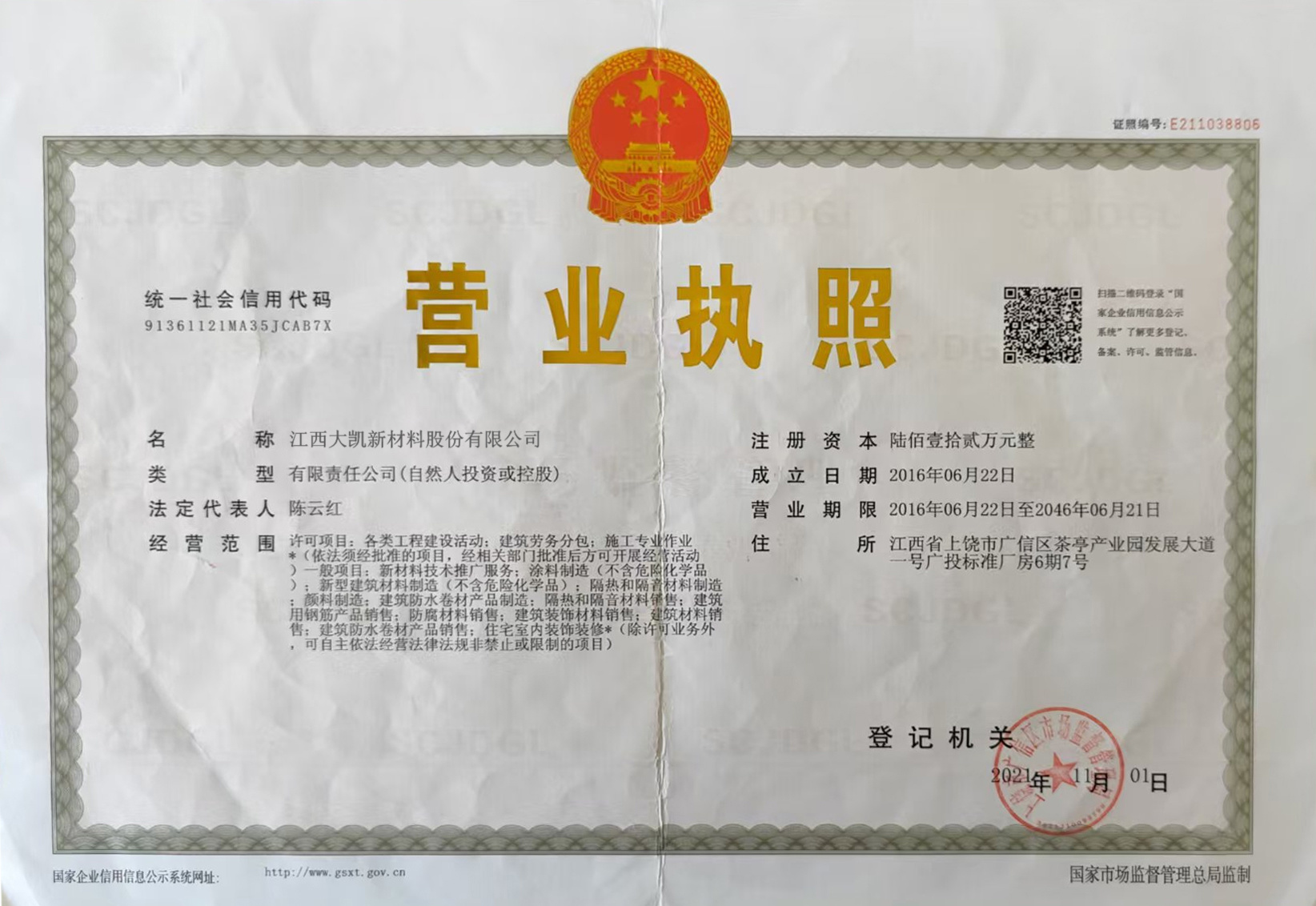
At Jiangxi Dakai New Materials Co., Ltd., our expertise spans this spectrum, particularly in providing high-quality Dimethyl Silicone Oil and key reactive intermediates like Methyl Hydrogen Silicone Oil, enabling innovation across diverse applications.
Related News

Hydrophobic vs. Hydrophilic Surfaces: The Science, Differences, and Real-World Applications
Understand the key differences between hydrophobic and hydrophilic surfaces. This guide explains water contact angle, surface energy, and how these properties impact materials science, self-cleaning tech, and biomedical devices.
2025-12-30
View Details
What are the Different Types of Silicone Oils? A Complete Classification Guide
Explore the different types of silicone oils. This guide covers standard, reactive, and specialty silicone fluids like PDMS, amino, phenyl, and vinyl silicones, and their unique applications.
2025-12-25
View Details
Introduction to Silane Coupling Agents: Bridging Organic and Inorganic Worlds
What are silane coupling agents? This introduction explains how they bond organic polymers to inorganic materials like glass, metals, and minerals, enhancing composite performance.
2025-12-23
View Details
Methyl Silicate vs. Ethyl Silicate: Choosing the Right Alkyl Silicate for Your Project
Deciding between Methyl Silicate and Ethyl Silicate? This guide explains their key differences in reactivity, penetration, flexibility, and ideal applications in construction and restoration.
2025-12-18
View Details
Jiangxi Dakai New Materials Co.,Ltd
Telephone:+008619307906792
E-mail:admin@taikay.cn
Address: No. 268, Mingwang Road, High-tech Development Zone, Xinyu City
Website:www.jxtaikay.com/


copyright ©Jiangxi Dakai New Materials Co.,Ltd.