
News Center
News
Introduction to Silane Coupling Agents: Bridging Organic and Inorganic Worlds
2025-12-23
In modern material science, combining dissimilar substances—like tough glass fibers with flexible polymers, or resilient minerals with durable resins—is key to creating advanced composites. However, achieving a strong, lasting bond between inherently different organic and inorganic materials poses a fundamental challenge. This is where silane coupling agents emerge as indispensable molecular bridges. This introduction will explain what they are, how they work, and why they are critical across numerous industries.
What Are Silane Coupling Agents?
Silane coupling agents are a class of organosilicon compounds characterized by a unique hybrid molecular structure. Each molecule typically contains two distinct types of reactive groups:
1.Hydrolyzable Alkoxy Groups: These groups (commonly -OCH3 or -OC2H5) are reactive towards inorganic surfaces. They can undergo hydrolysis to form silanols (Si-OH) that bond with hydroxyl (-OH) groups present on materials like glass, metals, minerals, and ceramics.
2.Organofunctional Groups: This end of the molecule (such as amino, epoxy, vinyl, or methacryloxy) is designed to be compatible or react with organic polymers like epoxies, polyurethanes, polyesters, and rubbers.
This dual reactivity makes them the perfect “coupling” agent.
The Core Mechanism: How Do They Work?
The coupling process is elegantly chemical and can be summarized in four key steps:
1.Hydrolysis: Upon exposure to moisture (either from the air, a solvent, or the substrate), the alkoxy groups convert into highly reactive silanol (Si-OH) groups.
2.Adsorption & Orientation: The hydrolyzed molecules approach the inorganic substrate. The reactive silanol groups are drawn to the surface, allowing the molecules to orient themselves.
3.Condensation (Bonding to Inorganic Surface): The silanol groups chemically condense with hydroxyl groups on the inorganic substrate (e.g., the surface of a glass fiber or mineral filler), forming stable covalent siloxane (Si-O-Si) bonds. This creates a permanent, monomolecular layer firmly anchored to the inorganic surface.
4.Interaction with Organic Matrix (Bonding to Polymer): The organofunctional group at the opposite end of the molecule now interfaces with the organic polymer matrix. Depending on its nature, it can either:
(1)Chemically react (e.g., an epoxy-functional silane with an epoxy resin during curing).
(2)Entangle physically within the polymer chains.
(3)Form strong intermolecular bonds (e.g., hydrogen bonds).
The result is a durable, molecular bridge that dramatically improves the interface between the two dissimilar materials.
Key Benefits and Functional Improvements
By creating this robust interface, silane coupling agents deliver transformative benefits:
1.Dramatically Enhanced Adhesion: They are the primary solution for improving bond strength in adhesives, sealants, and coatings on difficult substrates like glass, metal, and concrete.
2.Improved Composite Mechanical Properties: In fiberglass composites (FRP) or filled plastics, they significantly increase tensile and flexural strength, as stress is effectively transferred from the polymer matrix to the reinforcing fiber or filler.
3.Moisture Resistance: They protect the interface from hydrolysis, preventing loss of strength and delamination in wet environments—a critical factor for outdoor and underwater applications.
4.Better Dispersion and Wetting: They reduce the surface energy of inorganic fillers, allowing them to disperse more uniformly in organic resins, which improves processing and final product uniformity.
Common Applications
This introduction to silane coupling agents would be incomplete without noting their ubiquitous use:
1.Glass Fiber Reinforcements: For automotive parts, boat hulls, and wind turbine blades.
2.Mineral-Filled Plastics and Rubbers: Enhancing properties in talc-filled PP, clay-filled nylon, or silica-filled tires.
3.Adhesives and Sealants: For high-performance bonding to glass, metal, and ceramics.
4.Paints and Coatings: As adhesion promoters for corrosion-resistant primers on metals.
5.Surface Treatment: To modify the properties of pigments, nanoparticles, and other materials.
Conclusion
Silane coupling agents are more than just additives; they are fundamental enablers of modern high-performance materials. By forming covalent bridges at the molecular level, they solve the age-old problem of bonding unlike materials, unlocking superior strength, durability, and functionality. For anyone working with composites, coatings, or adhesives, understanding these agents is a crucial step in formulation and design.
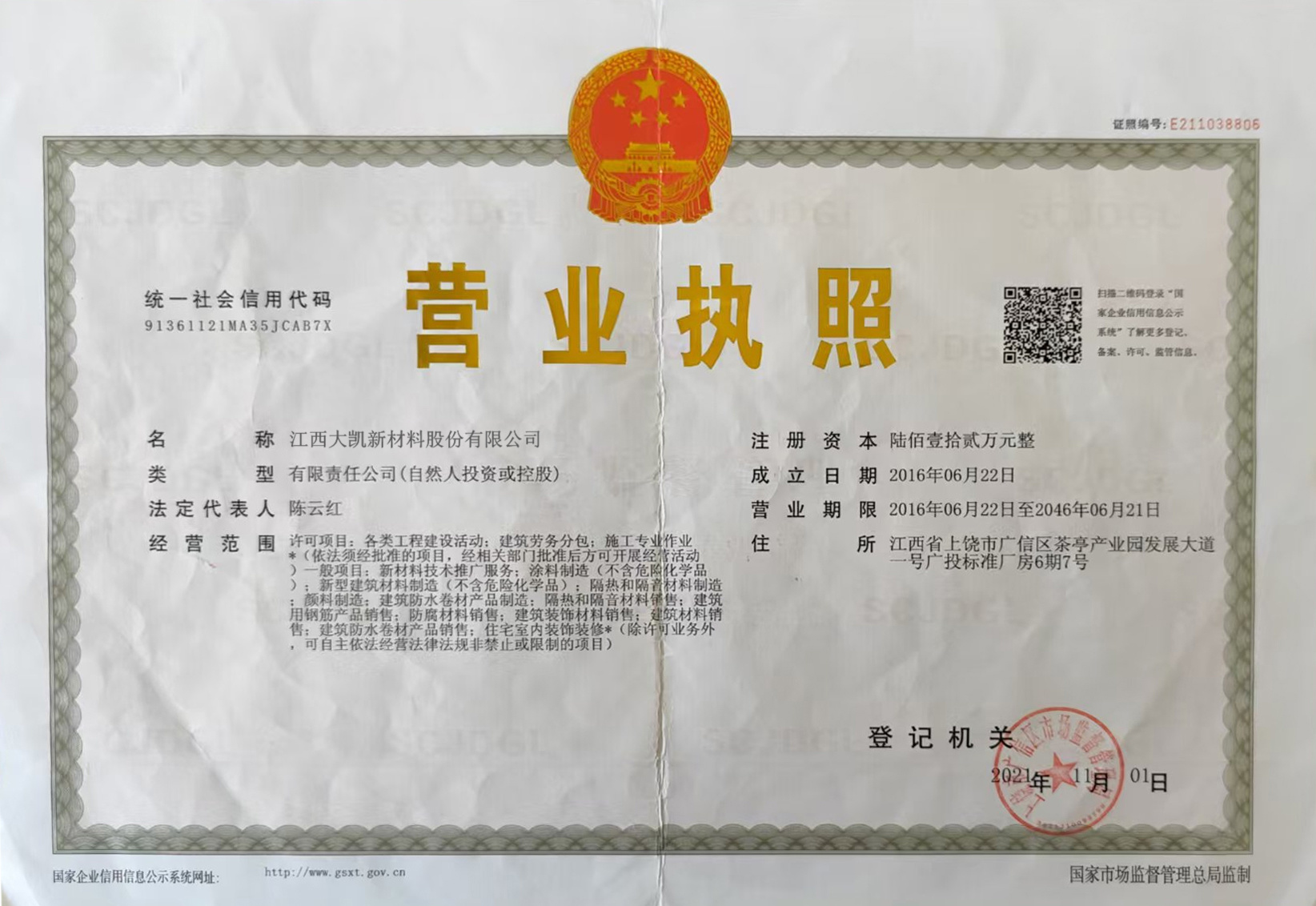
At Jiangxi Dakai New Materials Co., Ltd., we understand the pivotal role of interfacial chemistry. Our expertise extends to the principles behind coupling agents, supporting the development of advanced material solutions.
Related News

Hydrophobic vs. Hydrophilic Surfaces: The Science, Differences, and Real-World Applications
Understand the key differences between hydrophobic and hydrophilic surfaces. This guide explains water contact angle, surface energy, and how these properties impact materials science, self-cleaning tech, and biomedical devices.
2025-12-30
View Details
What are the Different Types of Silicone Oils? A Complete Classification Guide
Explore the different types of silicone oils. This guide covers standard, reactive, and specialty silicone fluids like PDMS, amino, phenyl, and vinyl silicones, and their unique applications.
2025-12-25
View Details
Introduction to Silane Coupling Agents: Bridging Organic and Inorganic Worlds
What are silane coupling agents? This introduction explains how they bond organic polymers to inorganic materials like glass, metals, and minerals, enhancing composite performance.
2025-12-23
View Details
Methyl Silicate vs. Ethyl Silicate: Choosing the Right Alkyl Silicate for Your Project
Deciding between Methyl Silicate and Ethyl Silicate? This guide explains their key differences in reactivity, penetration, flexibility, and ideal applications in construction and restoration.
2025-12-18
View Details
Jiangxi Dakai New Materials Co.,Ltd
Telephone:+008619307906792
E-mail:admin@taikay.cn
Address: No. 268, Mingwang Road, High-tech Development Zone, Xinyu City
Website:www.jxtaikay.com/


copyright ©Jiangxi Dakai New Materials Co.,Ltd.