
News Center
News
Silicone Oil Properties and Characteristics: The Ultimate Guide
2025-11-20
Silicone oil, most commonly known as Polydimethylsiloxane (PDMS), is more than just a lubricant or cosmetic ingredient. Its widespread use across industries from aerospace to personal care is a direct result of a unique combination of properties and characteristics not found in organic oils. This guide breaks down these fundamental traits and explains why they matter.
The Foundation: The Siloxane Backbone
The exceptional properties of silicone oil stem from its chemical structure. A backbone of alternating silicon (Si) and oxygen (O) atoms, with organic methyl groups (CH₃) attached to the silicon, creates a robust yet flexible polymer chain. The strong Si-O bond is the key to its stability.
Key Physical & Chemical Characteristics
1. Exceptional Thermal Stability
One of the most valued characteristics of silicone oil is its ability to perform across a vast temperature range. It typically remains stable from -50°C to +200°C without significant oxidation or degradation. This makes it ideal for applications in automotive, electronics, and high-temperature lubricants.
2. Low Viscosity-Temperature Coefficient
Unlike many organic oils that become thick in the cold and thin in the heat, silicone oil viscosity changes very little with temperature fluctuations. This ensures consistent performance as a lubricant or hydraulic fluid in varying environmental conditions.
3. High Flash Point and Fire Resistance
Silicone oils have a very high flash point (often above 300°C), meaning they are difficult to ignite. This inherent fire resistance is a critical safety characteristic for use in transformers, heat transfer systems, and other high-risk environments.
4. Outstanding Water Repellency
The methyl groups surrounding the polymer chain make silicone oil highly hydrophobic. This water repellency is a core property leveraged in waterproofing treatments for textiles, leather, and construction materials.
5. Low Surface Tension
Silicone oil has a very low surface tension, allowing it to spread easily and uniformly over surfaces. This property is crucial for its effectiveness as a release agent, wetting agent, and in cosmetics for providing a smooth, non-greasy feel.
6. Excellent Dielectric Strength
As an electrical insulator, silicone oil possesses high dielectric strength, meaning it can withstand high voltages without breaking down. This makes it a safe and reliable insulating coolant in transformers and other electrical components.
7. Chemical Inertness and Physiological Inertia
Silicone oil is largely chemically inert. It is resistant to oxidation, ozone, and UV radiation, contributing to its long service life. Furthermore, its high purity forms are physiologically inert, making it safe for use in cosmetics, pharmaceuticals, and medical devices.
8. High Compressibility
Silicone oil is significantly more compressible than mineral oils. This characteristic is beneficial in applications like liquid springs and shock absorbers, where it provides smooth damping.
Summary of Properties Table
| Property | Characteristic | Practical Implication |
|---|---|---|
| Thermal Stability | Wide operating range (-50°C to +200°C) | High-temperature lubricants, heat transfer fluids |
| Viscosity Profile | Low change with temperature | Consistent performance in varying climates |
| Water Repellency | Highly hydrophobic | Durable waterproofing for fabrics and buildings |
| Surface Tension | Very low | Excellent spreading as release & wetting agents |
| Dielectric Strength | High | Effective electrical insulating fluid |
Conclusion
The diverse silicone oil properties and characteristics—from its unmatched thermal stability to its water repellency and low surface tension—make it a uniquely versatile material. Understanding these traits is the first step to innovating and optimizing its application in your products.
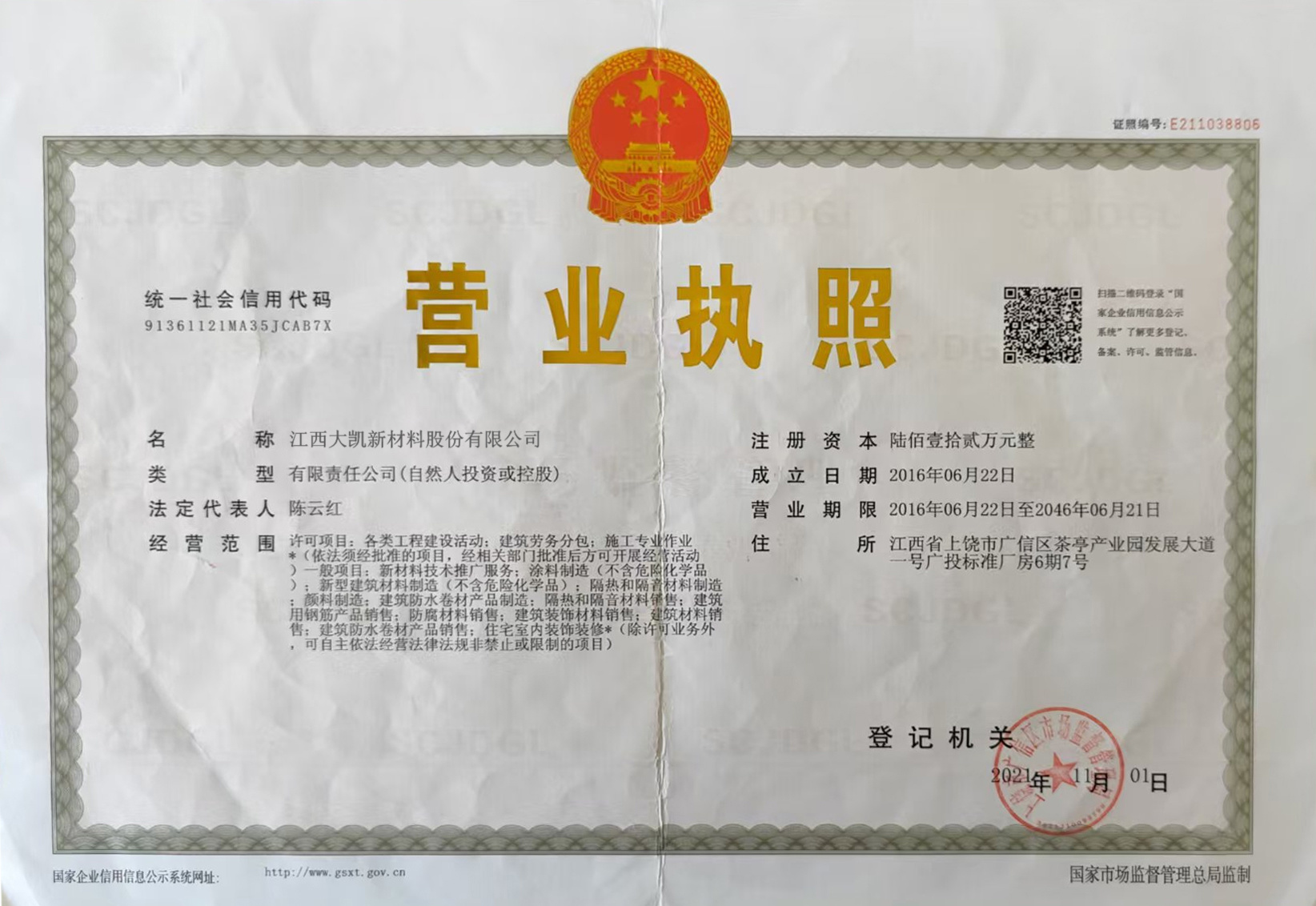
At Jiangxi Dakai New Materials Co., Ltd., we leverage these fundamental properties to provide high-quality silicone oils, including Methyl Silicone Oil and reactive Methyl Hydrogen Silicone Oil, tailored for specific industrial needs.
Related News

The Chemistry of Siloxanes: The Molecular Backbone of Silicone Materials
Explore the chemistry of siloxanes. This guide explains the Si-O bond, siloxane backbone structure, and how this unique chemistry gives silicones their remarkable properties like flexibility, stability, and water repellency.
2026-01-06
View Details
Hydrophobic vs. Hydrophilic Surfaces: The Science, Differences, and Real-World Applications
Understand the key differences between hydrophobic and hydrophilic surfaces. This guide explains water contact angle, surface energy, and how these properties impact materials science, self-cleaning tech, and biomedical devices.
2025-12-30
View Details
What are the Different Types of Silicone Oils? A Complete Classification Guide
Explore the different types of silicone oils. This guide covers standard, reactive, and specialty silicone fluids like PDMS, amino, phenyl, and vinyl silicones, and their unique applications.
2025-12-25
View Details
Introduction to Silane Coupling Agents: Bridging Organic and Inorganic Worlds
What are silane coupling agents? This introduction explains how they bond organic polymers to inorganic materials like glass, metals, and minerals, enhancing composite performance.
2025-12-23
View Details
Jiangxi Dakai New Materials Co.,Ltd
Telephone:+008619307906792
E-mail:admin@taikay.cn
Address: No. 268, Mingwang Road, High-tech Development Zone, Xinyu City
Website:www.jxtaikay.com/


copyright ©Jiangxi Dakai New Materials Co.,Ltd.