
News Center
News
How Does Silicone Waterproofing Work
2025-12-16
When rain beats against a building or water spills on a fabric, we rely on waterproofing to keep things dry. Among the most effective solutions are silicone-based waterproofing agents. But have you ever wondered, how does silicone waterproofing work on a molecular level? Unlike simple coatings that just cover the surface, silicone waterproofing employs smart chemistry to provide lasting, “invisible” protection.
The Core Concept: Penetration Over Coating
Traditional waterproofing (like asphalt or acrylic coatings) creates a physical barrier on top of a surface. While initially effective, this film can crack, peel, or degrade under UV light and physical stress.
Silicone waterproofing works differently. It’s designed to penetrate deeply into the substrate (like concrete, brick, stone, or fabric fibers). Its goal isn’t to block the surface but to transform the material’s internal structure to become water-repellent from within.
The Chemistry Behind the Magic: Silanes and Siloxanes
The active ingredients in most advanced silicone waterproofers are silanes and siloxanes. Here’s a step-by-step breakdown of the process:
1. Penetration:
The product is applied as a liquid. Due to their low molecular weight and low surface tension, silane molecules are small and “wiry” enough to be carried deep into the microscopic pores and capillaries of the material by the carrier solvent (often water or alcohol).
2. Hydrolysis and Bonding:
Once inside, the silane molecules react with trace moisture in the substrate and in the air (hydrolysis). This reaction converts them into silanol (Si-OH), a highly reactive form.
3. Condensation and Polymerization:
These reactive silanol groups do two crucial things:
Vertical Bonding: They chemically bond with hydroxyl groups (OH) present on the material’s surface (e.g., in concrete, stone, or brick), creating a strong, permanent covalent bond.
Lateral Bonding: They also bond with each other, linking up to form a network of hydrophobic polysiloxane resins inside the pores.
4. Formation of the Hydrophobic Layer:
This interconnected resin network lines the walls of the capillaries. The non-polar, organic side of the resin (typically methyl groups -CH₃) faces inward, creating a “water-hating” (hydrophobic) interior. This dramatically reduces the surface energy inside the pore.
The Visual Result: The “Beading Effect”
This is the most visible proof that silicone waterproofing is working. Because water’s surface tension is higher than the treated pore’s surface energy, water cannot wet or spread out. Instead, it forms tight beads that easily roll off, carrying dirt with them. The material itself remains visually unchanged and completely breathable.
Key Advantages of This Mechanism
Breathability: Vapor from inside the structure can escape, preventing blistering and trapped moisture damage.
Durability: The chemical bond and internal placement protect it from UV degradation and physical wear.
Preservation of Aesthetics: Does not alter the look or texture of the original material.
Long-Lasting Protection: Because it’s within the substrate, it doesn’t wash away and lasts for years.
Where is This Technology Used?
This principle explains how silicone waterproofing works on:
Concrete & Masonry: Foundations, bridges, facades.
Natural Stone: Historic buildings, monuments, tiles.
Textiles & Leather: Outdoor gear, awnings, footwear.
Wood: Decking, siding.
Conclusion
So, how does silicone waterproofing work? It’s a process of deep penetration, chemical bonding, and internal resin formation that turns a porous material into a water-repellent one from the inside out. It’s less of a “shield” and more of a molecular-level modification, offering a smarter, more durable way to protect assets from water damage.
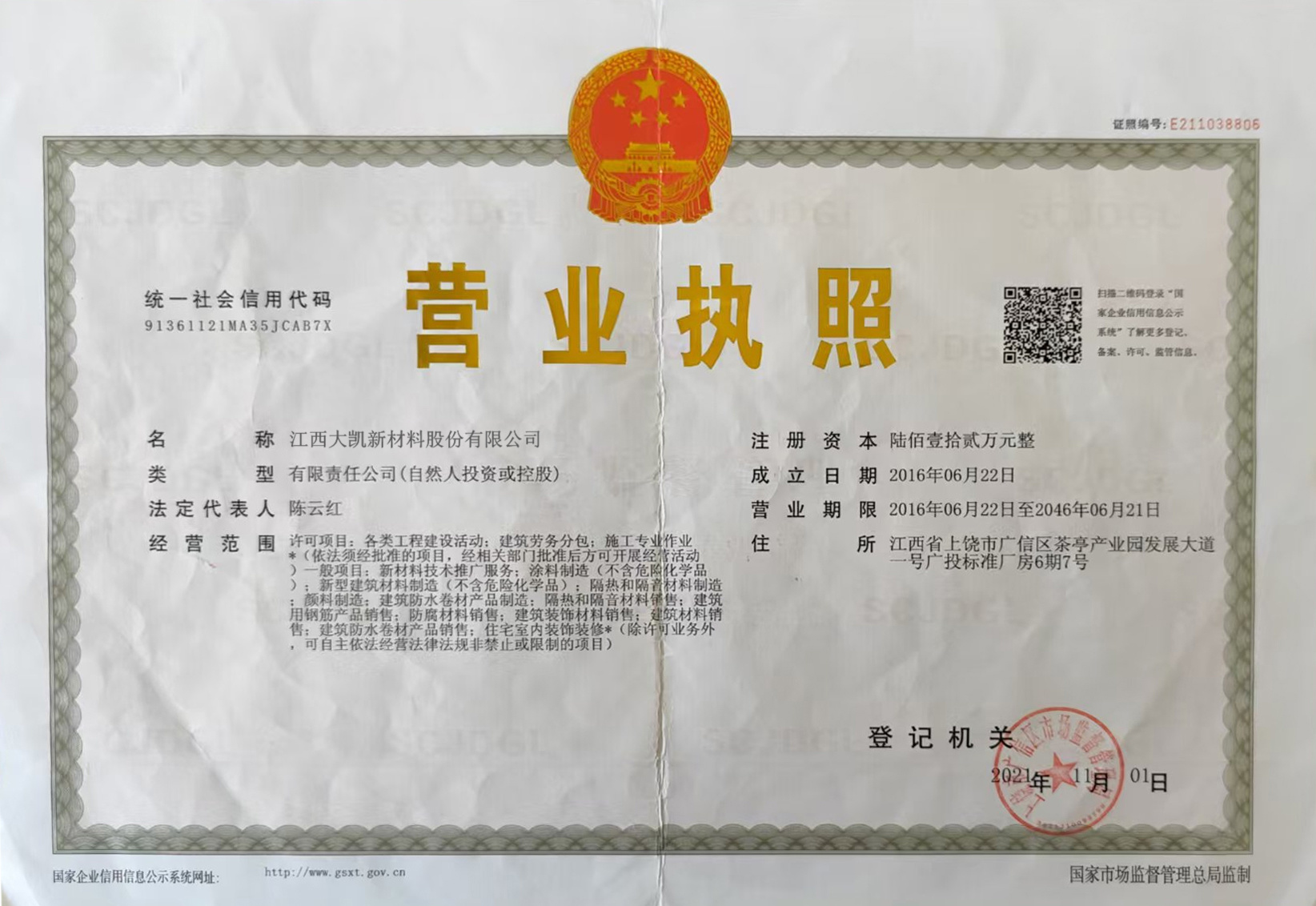
Understanding this science is key to selecting the right protection. At Jiangxi Dakai New Materials, we formulate advanced silane-siloxane based waterproofing agents that leverage this precise chemistry to deliver reliable, long-term results.
Related News

Hydrophobic vs. Hydrophilic Surfaces: The Science, Differences, and Real-World Applications
Understand the key differences between hydrophobic and hydrophilic surfaces. This guide explains water contact angle, surface energy, and how these properties impact materials science, self-cleaning tech, and biomedical devices.
2025-12-30
View Details
What are the Different Types of Silicone Oils? A Complete Classification Guide
Explore the different types of silicone oils. This guide covers standard, reactive, and specialty silicone fluids like PDMS, amino, phenyl, and vinyl silicones, and their unique applications.
2025-12-25
View Details
Introduction to Silane Coupling Agents: Bridging Organic and Inorganic Worlds
What are silane coupling agents? This introduction explains how they bond organic polymers to inorganic materials like glass, metals, and minerals, enhancing composite performance.
2025-12-23
View Details
Methyl Silicate vs. Ethyl Silicate: Choosing the Right Alkyl Silicate for Your Project
Deciding between Methyl Silicate and Ethyl Silicate? This guide explains their key differences in reactivity, penetration, flexibility, and ideal applications in construction and restoration.
2025-12-18
View Details
Jiangxi Dakai New Materials Co.,Ltd
Telephone:+008619307906792
E-mail:admin@taikay.cn
Address: No. 268, Mingwang Road, High-tech Development Zone, Xinyu City
Website:www.jxtaikay.com/


copyright ©Jiangxi Dakai New Materials Co.,Ltd.